
In the ever-evolving landscape of European football, few stories are as compelling as that of Marcus Rashford. The English wunderkind’s recent stint at Barcelona has sparked intense media debate and fan speculation, leading many to question whether this dynamic forward will remain at the Catalan giants beyond his current loan spell. Understanding the nuances behind Rashford’s brief but impactful presence at Barcelona unveils a complex mix of tactical mismatches, financial constraints, and strategic misalignments that cast doubt on his long-term prospects at Camp Nou.
Transition from Manchester United to Barcelona
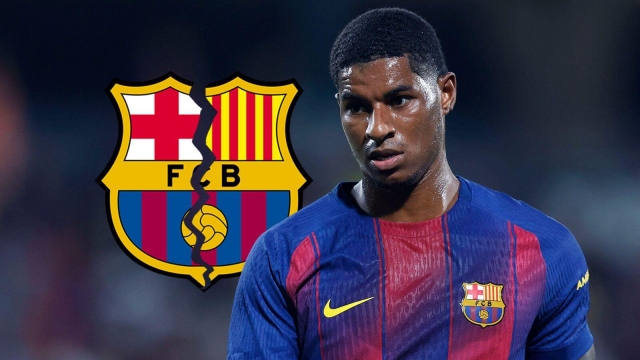
The transfer of Marcus Rashford from Manchester United to Barcelona marked a significant shift in his career trajectory, evoking visions of a new chapter filled with fresh opportunities and challenges. The move, however, was not an outright transfer but rather a strategic loan deal with an option to buy, reflective of both Rashford’s potential and the club’s cautious approach amidst financial scrutiny.
Rashford’s arrival at Barcelona was initially met with optimism by fans eager to see his flair in La Liga. Yet, behind-the-scenes, Catalan management was navigating a delicate balance between integrating a star forward and aligning with their long-term tactical and financial plans. The transition was framed as an exciting prospect but soon revealed underlying complexities surrounding his fit within Barcelona’s evolving squad composition.
Rashford’s Performance at Barcelona
Statistical Breakdown of Rashford’s Season
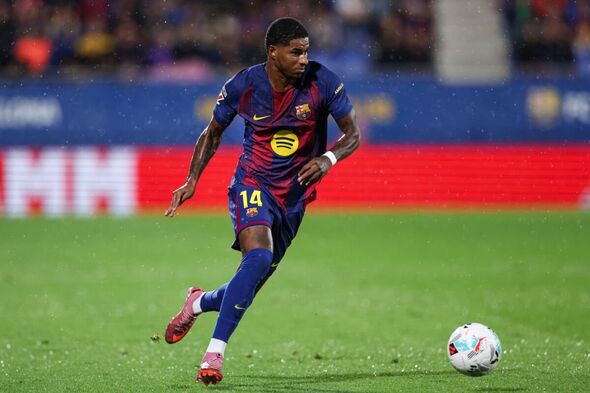
The numbers tell a story that is as impressive as it is revealing. Over 24 appearances, Rashford has contributed 7 goals and 11 assists, indicating his ability to make an immediate impact. His pace and cunning movement have allowed him to create scoring opportunities, catching the eye of supporters and analysts alike. Nonetheless, statistics alone cannot capture the full scope of his fit within Barcelona’s framework.
While these contributions are valuable, especially for an outsider adapting to a new league and system, they hint at underlying tactical misalignments. Rashford’s style of play—dominating in open space and relying on quick counterattacks—sometimes clashes with Barcelona’s ball-possession, structured build-up game. His statistics, therefore, reflect a player excelling in individual moments, yet facing the challenge of sustained integration within a complex team system.
Contributions to Team Play and Dynamics
Beyond goals and assists, Rashford has brought energy, unpredictability, and a goal-oriented mindset to Barcelona. He occasionally catalyzes quick transitions, creating headaches for opponents with his speed and dribbling. However, his ability to influence the broader team dynamic remains limited due to tactical incompatibility.
The core of Barcelona’s playstyle emphasizes precise ball control, rapid short passing, and positional discipline—traits that Rashford’s playstyle often diverges from. His tendency to operate in expansive spaces makes him a natural fit for counter-attacking setups but less effective when the team is congested and seeking structured buildup. Consequently, his influence on the team’s overall harmony appears somewhat constrained, emphasizing why some believe he is only a supplementary piece rather than a core pillar of Barcelona’s future plans.
Understanding the Tactical Philosophy of Barcelona
Historical Context of Barcelona’s Tactical Approach
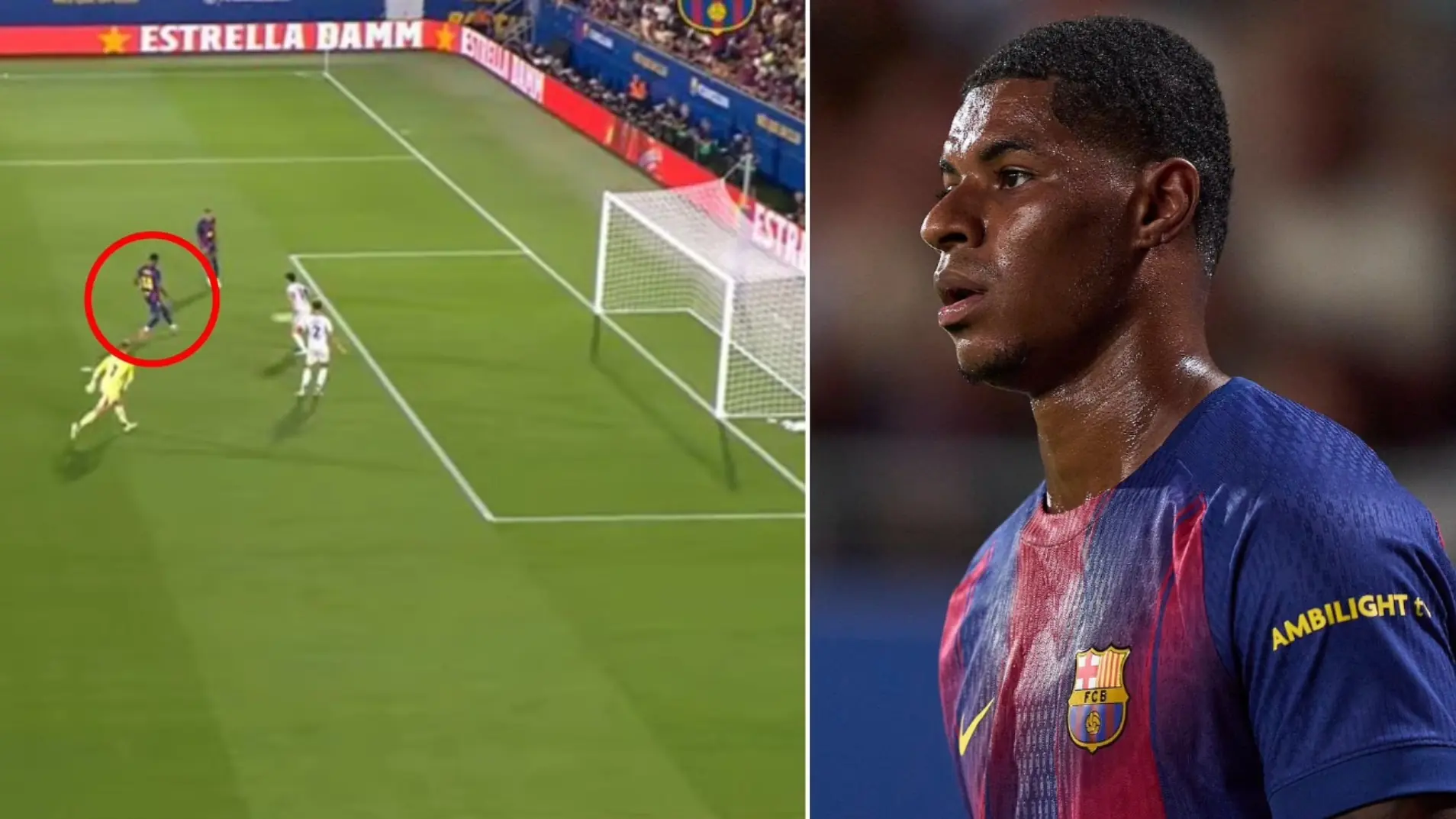
Barcelona’s identity is etched into their renowned possession-based system rooted in the philosophies of Johan Cruyff and Pep Guardiola. This approach necessitates exceptional technical proficiency, positional intelligence, and a tactical discipline that prioritizes controlled buildup and intricate passing sequences. Over decades, this tactical philosophy has become deeply ingrained in the club’s culture, guiding transfer decisions and player development.
The success of this system relies heavily on versatile, technically gifted players who can adapt to rapid ball exchanges and maintain tactical fluidity. While on paper, Rashford’s speed and directness seem appealing, they stand in contrast with this meticulous, possession-driven style. Adapting a raw, counter-attacking winger into a system that demands disciplined ball retention presents inherent challenges—especially given Rashford’s strengths lie elsewhere.
Key Player Profiles in Barcelona’s System
Historically, Barcelona’s wingers and forwards have embodied a specific set of traits—dribbling finesse, positional awareness, and the ability to unlock tight defenses with quick combinations. Players like Pedro, David Villa, and more recently, Ousmane Dembélé, thrived by fitting within this mold. Rashford’s profile diverges; he excels at exploiting open spaces and creating chaos with his pace but does not possess the same suite of technical skills required for Barcelona’s structured attacks.
The club’s strategic preference for players who excel in tight spaces and rapid passing sequences underscores why Rashford’s profile appears less compatible. His record at Manchester United reflects a versatile striker adept in counter-attacking emergencies but less proficient in the precise, positional play that defines Barcelona’s tactical DNA. This fundamental mismatch in playing styles suggests that Rashford might struggle to fully integrate, limiting his long-term contribution.
Why Rashford Was Not Barcelona’s First Choice
Insights into Barcelona’s Summer Transfer Strategy
Barcelona’s summer transfer window of 2025 was replete with strategic decisions aimed at rebuilding the squad’s identity and financial stability. The club prioritized targets who aligned with their explicit long-term vision—marked by technical excellence, versatility, and tactical compatibility. Consequently, Rashford was never a top-tier target but more of a contingency plan to fill immediate gaps.
The club’s scouting reports and strategic meetings reveal that Rashford entered calculations only after other targets fell through. Barcelona’s management sought players like Nico Williams and Luis Díaz—assets that seamlessly fit their style and could contribute to the team’s evolution. Rashford’s profile was considered less aligned, yet his availability and current form kept him in the conversation.
The Pursuit of Other Transfer Targets
Barcelona’s pursuit of Nico Williams and Luis Díaz underscores their emphasis on tactical harmony. Williams, with his exceptional dribbling skills and positional versatility on the wing, embodies the qualities that Barcelona values—speed, technical flair, and adaptability. Luis Díaz, known for his agility and creative problem-solving, similarly fits within the club’s strategic framework.
In contrast, Rashford’s profile as a more direct, counter-attacking winger attracted less emphasis from the club’s scouting reports. His strengths lie more in exploiting space and counter-pressing, which does not complement Barcelona’s possession-centric philosophy. Consequently, his inclusion was more of a backup option rather than a strategic priority.
Analyzing the Compatibility of Rashford with Barcelona’s Style
Rashford’s Playing Style and Strengths
Marcus Rashford stands out as a versatile, explosive forward whose game is predicated on pace, dribbling, and sharp finishing. His ability to create chances out of nothing and capitalize on open spaces makes him a potent offensive threat. Rashford’s strengths include quick acceleration, intelligent movement off the ball, and a knack for scoring when presented with clear opportunities—traits that can uplift any team in transition or counter-attacking scenarios.
Moreover, his mindset to constantly attack and his physical robustness make him resilient under pressure. He displays a natural instinct for positioning and combining with midfielders, which has served Manchester United well across multiple seasons. These qualities lend themselves well to teams that prioritize fast transitions and high-energy styles of play.
The Requirements of Barcelona’s Tactical Framework
Barcelona’s tactical play revolves around maintaining possession, structured build-up, and positional discipline—concepts that require players with exceptional technical skills, composure in tight spaces, and high football IQ. The system relies on nuanced passing, aggressive pressing, and positional interchange, factors whereby players like Pedri, Gavi, and Ousmane Dembélé excel.
Rashford’s emphasis on speed and directness makes him less suitable for this environment. His style is predicated on exploiting gaps, operating with freedom in open spaces, and making quick counter-moves. For him to be effective at Barcelona, he would need to adapt significantly—something that does not align with his natural game or strengths. This misalignment questions whether integrating him into the core tactical framework is feasible or sustainable.

Financial Implications of Rashford’s Transfer
Overview of Barcelona’s Current Financial Situation
Barcelona remains in a delicate financial state characterized by substantial debt and salary cap restrictions. The club’s recent financial restructuring underscores their cautious approach to signings, preferring to focus on sustainable growth rather than reckless spending. Any transfer involving high wages or significant transfer fees must pass stringent financial scrutiny.
This economic backdrop limits the club’s willingness to spend large sums on players who do not unequivocally fit into their long-term strategic plan. Rashford’s wages, alongside potential transfer fees, could strain the club’s budget, prompting a reevaluation of the actual value he offers against the financial risk involved.
The Cost-Benefit Analysis of Signing Rashford
From a financial perspective, investing €30-35 million to bring Rashford aboard could be questionable given his tactical mismatch and the existing squad composition. Under the current financial constraints, Barcelona would need to weigh whether Rashford’s individual brilliance justifies the expenditure, especially when considering long-term squad planning.
Moreover, paying such a fee for a player who is not a core tactical fit might divert resources from other areas—such as youth development or acquiring players who better suit the club’s identity. Although his marketability and global profile add value, the club’s priority remains financial stability and tactical coherence, which cast doubts on the prudence of such a signing.
Rashford’s Potential Pay Cut and Its Relevance
Discussion on Player Salaries at Top Clubs
In an era where top footballers command hefty wages, Rashford’s willingness to accept a pay cut might seem like a potential lever for negotiations. However, salary reductions in elite clubs often involve complex negotiations, where players balance financial security against sporting ambitions and long-term stability.
Rashford’s current market value and salary expectations reflect his star status, making substantial cuts difficult to implement without significant incentive. For Barcelona, which needs to control expenses, players willing to accept pay cuts could become desirable, but only if their long-term fit justifies the reduced investment.
Impact of Wage Reductions on Player Transfers
Wage reductions can sometimes be a catalyst for a transfer agreement, especially when both clubs and players align on strategic priorities. If Rashford were open to lowering his salary, Barcelona could leverage this flexibility to minimize costs—a critical aspect given their financial situation. Nonetheless, such negotiations can be complex, often requiring delicate balancing of player ambition, club expectations, and financial health.
In Rashford’s case, the decision to accept a pay cut would hinge not just on squad fit but also on his perceptions of his future at the club. As things stand, the lack of tactical harmony suggests that a wage reduction alone may not suffice to secure his long-term future at Barcelona.
The Future Prospects for Marcus Rashford
Possibilities of Returning to Manchester United
Given the uncertainties surrounding his stint at Barcelona, Rashford’s most probable future remains at Manchester United, the club he knows intimately. A potential return is plausible if the club’s management values his contributions or if new coaching strategies align with his playing style. With Manchester United’s ongoing rebuild, Rashford’s familiarity and proven track record make him a key asset.
A homecoming would allow Rashford to rekindle his form within a familiar tactical environment—one where he has thrived for years. His influence on United’s front line and leadership potential could see him reintegrated as a pivotal figure, given the club’s emphasis on nurturing homegrown talent.
Exploring Other Potential Clubs for Rashford
Should Manchester United’s interest wane, Rashford could seek opportunities elsewhere—perhaps in leagues where his playing style is more appreciated or where tactical styles align better with his strengths. Clubs in the Premier League, such as Chelsea or Arsenal, could be potential destinations, offering familiar atmospheres and competitive environments.
International clubs exploring fast-paced, counter-attacking football might also appeal to Rashford’s natural game. However, his value will largely depend on how well prospective clubs understand his strengths and whether they can offer tactical systems that maximize his potential.
Fan Reactions and Media Speculations
How Fans Perceive Rashford’s Performance
Fans have generally admired Rashford’s effort and goal-scoring abilities, viewing him as a symbol of resilience and potential. His performances at Barcelona, although promising, have also drawn criticism regarding his tactical fit and consistency. Social media reactions range from supportive cheers to skeptics questioning his long-term value at Camp Nou.
The ambiguity of his future fuels debates among supporters, with some lamenting the mismatch of styles and others hopeful he could adapt if given time. Ultimately, fan reactions underscore Rashford’s importance as a player whose style sparks debate about identity and strategy at elite clubs.
Media Coverage on Rashford’s Transfer Situation
Media narratives tend to oscillate between praise for his individual talents and skepticism about his fit within Barcelona’s tactical framework. Sports journalists highlight economic factors, strategic misalignments, and the cultural differences influencing the decision-making process.
Speculations persist about potential clubs interested in acquiring Rashford on a more fitting system basis and whether Barcelona will opt to sell or extend his loan. The media’s portrayal emphasizes the complexity of football transfers, where financial, tactical, and personal factors intertwine, casting a shadow of uncertainty over his future.
Conclusion
The journey of Marcus Rashford at Barcelona exemplifies the intricate blend of talent, strategy, and circumstance that defines modern football transfers. Despite his impressive stats and undeniable talent, several factors—most notably tactical incompatibility, financial constraints, and strategic misalignments—underscore the improbability of a permanent stay at Camp Nou. Barcelona’s emphasis on a possession-based, technically precise playing style leaves little room for a player whose strengths lie in direct, counter-attacking moments. Financial considerations further complicate the picture, as the club navigates debt and wage cap limits, making Rashford’s signing a risk that may outweigh the benefits. While his potential move back to Manchester United or to other clubs remains a possibility, the current outlook suggests that Rashford’s future at Barcelona is increasingly uncertain. As fans, media, and insiders watch this saga unfold, one thing remains clear: Marcus Rashford’s career continues to be a fascinating tapestry of talent, ambition, and strategic puzzle-solving—each thread woven with hopes for a future that aligns with his unique style and aspirations.