
In the world of football, few stories evoke as much excitement and surprise as the renaissance of Marcus Rashford in Barcelona. Once seen as a player struggling to find his footing at Manchester United, Rashford’s journey has taken a dramatic turn, showcasing how tactical fit, team environment, and personal development can redefine a footballer’s career. This article explores in depth the evolution of Marcus Rashford—from his early days at Manchester United to his resurgence at Barcelona—highlighting his tactical transformation, newfound confidence, and the implications for his future.
Early Career at Manchester United
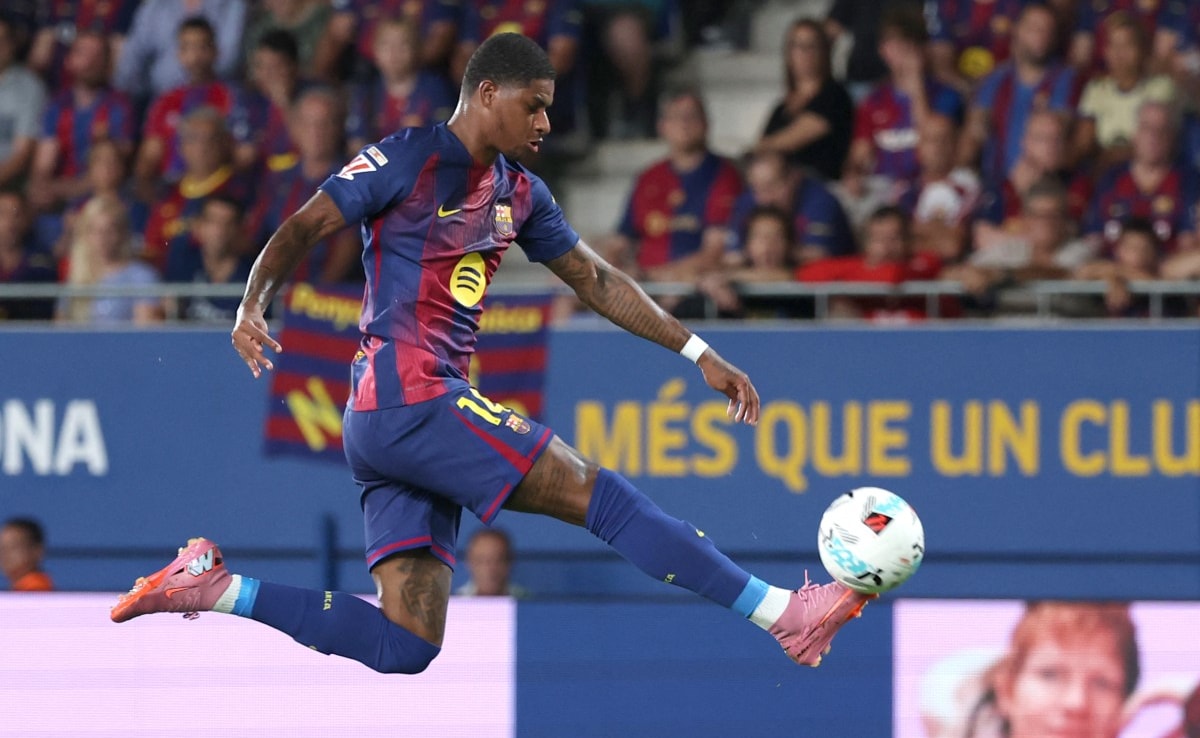
Rise Through the Youth System
Marcus Rashford’s journey in football began in the youth ranks of Manchester United, where he quickly established himself as one of the most promising talents in English football. From a young age, Rashford displayed a natural flair for scoring, coupled with an impressive work ethic that distinguished him from his peers. His development at United was accelerated as he joined various youth teams, showcasing his ability to adapt and thrive at levels increasingly challenging. His performances in youth tournaments drew attention, leading to his eventual inclusion in the senior team by the age of 17.
Throughout his youth career, Rashford demonstrated versatility and a keen eye for goal. His technical skills were accompanied by his intelligence in positioning himself in the right spaces, making him a constant threat in strike partnerships. His rise through Manchester United’s ranks exemplified the club’s investment in nurturing homegrown talent, with Rashford quickly becoming one of the club’s most promising prospects. His early years were marked by a mixture of promise and excitement, setting the stage for a future that many believed would be luminous.
Initial Breakthrough into the First Team
Rashford’s first-team debut in February 2016 was a defining moment, signaling the start of his professional career on the grand stage. Coming on as a substitute, his debut was nothing short of spectacular, marking him as one of the youngest players to score for Manchester United. Over the next few seasons, Rashford established himself as a regular fixture in the squad, known for his speed, agility, and clinical finishing.
His initial breakthrough was characterized by his ability to adapt quickly to senior-level competition. He became renowned for scoring crucial goals in high-pressure situations, often earning the admiration of fans and critics alike. The early phases of his career at Manchester United showcased Rashford’s raw talent and work ethic, earning him a reputation as a promising young striker with potential to be a star for years to come. However, as his career progressed, challenges began to surface, testing his resilience and adaptability.
Challenges Faced at Manchester United

Criticism and Sidelining
Despite early successes, Rashford’s journey at Manchester United was not without its hurdles. As the club’s tactical landscape shifted under different managers, Rashford faced periods of criticism and, at times, sidelining from key matches. Critics argued that he lacked consistency and that his natural instincts were sometimes stifled by the tactical system in place. The pressure to perform and justify his early promise created a challenging environment, which began to weigh on his confidence.
Sidelining was often linked to the club’s tactical preferences, which frequently favored more established forwards or different playing styles. Rashford, known for his speed and directness, found himself shifted to different roles—sometimes as a winger, other times as a secondary striker—in positions that didn’t fully utilize his strengths. This lack of system stability and tactical clarity hampered his development, making him feel isolated at times and hindering his ability to influence matches consistently.
Tactical Misalignment and Isolation
Manchester United’s tactical systems often failed to showcase Rashford’s full potential. Under different managers, he was asked to play roles that did not align with his natural style—be it stretching defenses with pace or cutting inside to create scoring opportunities. The lack of a cohesive team strategy meant Rashford’s innate attacking instincts were sometimes suppressed, resulting in moments of frustration for the player and the fans.
The tactical misalignment also meant Rashford experienced periods of isolation on the pitch, with minimal involvement in build-up play and fewer touches in dangerous areas. This not only impacted his confidence but also limited his ability to develop as a comprehensive forward. The absence of a clear attacking plan for him created inconsistency in his performances, leading to periods where he was more of a peripheral figure rather than the central threat he once was.
Transition to Barcelona
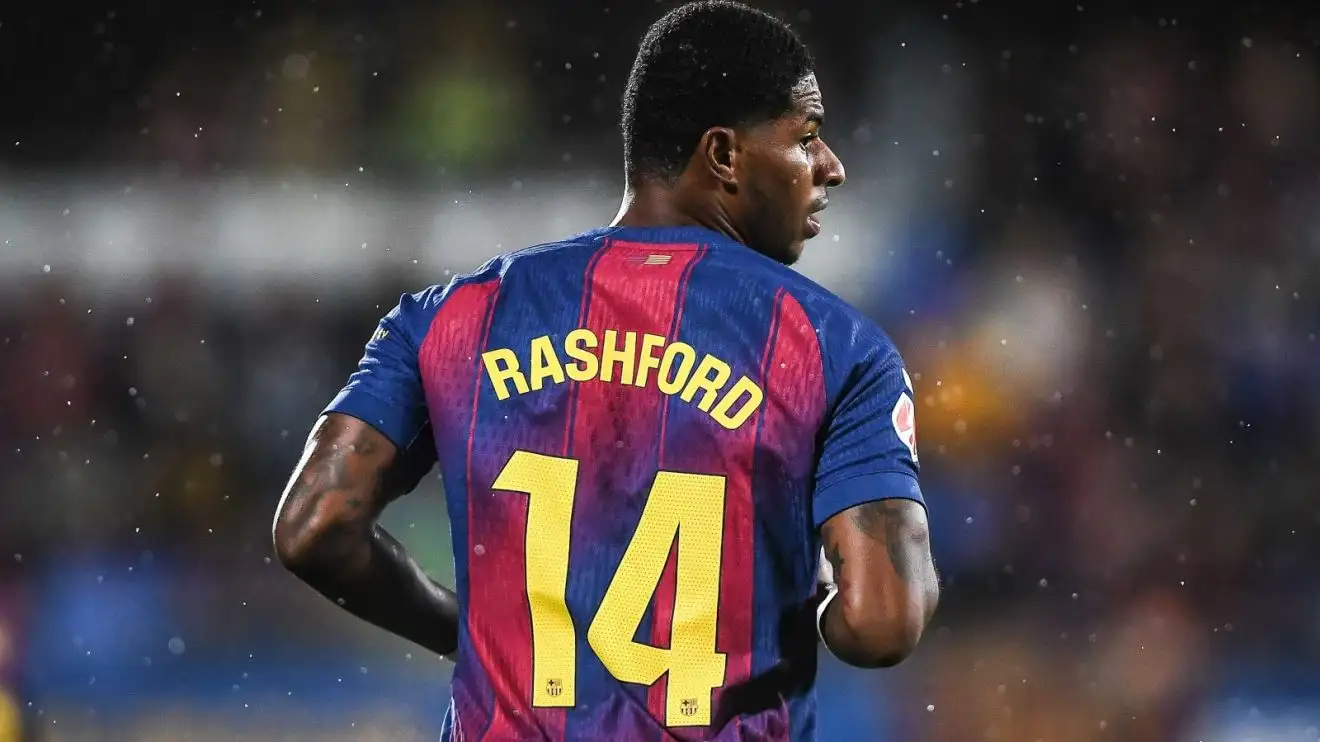
Loan Move Overview
In a surprising turn of events, Rashford’s career took an unexpected trajectory when he joined Barcelona on loan. The move was described by many as a strategic opportunity for Rashford to reinvent himself amid the tactical chaos at Manchester United. The Catalan club aimed to bolster their attacking options with a player proven in the Premier League for his pace and scoring ability.
The loan was initially perceived as a temporary solution, but it rapidly evolved into a pivotal chapter in Rashford’s career. His arrival at Camp Nou was met with mixed reactions—excitement from fans eager to see him thrive, and skepticism from critics questioning whether the move would be beneficial for his development. Nonetheless, Rashford was prepared to embrace new challenges and adapt to a different footballing philosophy.
Reasons Behind the Transfer
Several factors contributed to Rashford’s move to Barcelona. Tactically, Barcelona’s possession-oriented style of play provided a perfect environment for him to flourish. The club’s emphasis on build-up play and attacking versatility aligned well with his developing skills as a playmaker and his increased involvement in attack. Moreover, the opportunity to work under coach Hansy Flick, renowned for his tactical acumen, promised a fresh approach to Rashford’s development.
Another key reason behind the transfer involved Rashford’s quest for consistent playing time and system compatibility. At Manchester United, he often struggled to fit into evolving tactical plans, which impacted his confidence and overall performance. The move to Barcelona represented a chance to detach from the past and redefine his career within a system that prioritized creativity and collective attack, enabling him to rediscover his best form.
Rashford’s Performance Under Hansy Flick
New Tactical Role
Under coach Hansy Flick, Rashford’s role radically transformed from a peripheral winger to a central figure in Barcelona’s offensive setup. Flick’s tactical approach focused on fluid attacking movements, increased positional flexibility, and intelligent movement, allowing Rashford to operate closer to the goal rather than wide on the flank. This adaptation allowed him to leverage his pace, dribbling, and finishing skills more effectively.
Flick emphasized creating attacking triangles, encouraging Rashford to interconnect with midfielders and wingers, making the attack more dynamic. The coaching staff prioritized his development as a versatile forward capable of orchestrating play, not just finishing moves, which in turn helped Rashford expand his strategic understanding of the game. This transition marked a turning point, as he began to influence matches with more consistency.
Impact on Team Dynamics
Rashford’s integration into Flick’s tactical setup altered the team’s offensive chemistry. His movement and intelligent positioning pulled defenders out of shape, opening space for teammates like Lamin Yamal and other creative midfielders. The increased involvement of Rashford in build-up play added unpredictability to Barcelona’s attack, making them more difficult to defend against.
The impact was palpable, as Rashford’s presence on the pitch created new attacking corridors and options. Teammates valued his ability to drop deep and link play, giving Barcelona a more multidimensional offensive approach. This dynamic not only boosted Rashford’s confidence but also provided the team with a more coherent and flexible attacking identity—something that many fans and analysts have praised.
Improved Positioning and Its Effects
Changes in Playing Style
One of the most noticeable aspects of Rashford’s evolution is his improved positioning on the field. Moving away from the wide flank to a more central, attack-oriented role has allowed him to find pockets of space in dangerous zones. This strategic shift has refined his playing style from a pacey winger to a more composed and intelligent forward, capable of both scoring and creating chances.
This central placement enables Rashford to engage more directly with goal, making him a focal point in Barcelona’s offensive scheme. It also encourages him to use his dribbling and finishing skills more effectively, particularly with his movement in and around the penalty box. This change signifies a maturation in his game—recognizing where he can impact matches most effectively.
Heatmap Analysis of Activity
A detailed heatmap analysis reveals a significant shift in Rashford’s activity zones. Compared to his days at Manchester United, where much of his play was confined to the wide areas, Rashford now exhibits heightened activity in the danger zones—inside or near the penalty area. His heatmap shows increased touches near the six-yard box, highlighting his role as a primary goal threat.
This positional refinement aligns with his new responsibilities under Flick’s tactical philosophy. By operating closer to goal, Rashford maximizes his scoring opportunities and creates more chaos for defenders. His movement into these zones has become more instinctual, reflecting his growth as a more complete and tactically aware attacker.
Increased Touches and Engagement
Shift to Possession-Based Play
Barcelona’s possession-based style has significantly increased Rashford’s involvement during matches. The team’s emphasis on maintaining control allows Rashford to receive more passes and participate actively in the build-up, unlike his more direct, counter-attacking role at Manchester United. This style encourages a patient approach, giving Rashford more time with the ball and enabling him to make smarter decisions.
The increased engagement has allowed him to develop a better understanding of game rhythm and spatial awareness. Rashford’s improved decision-making, combined with his enhanced technical skills, has made him a more valuable contributor in possession. His ability to link play and develop attacking sequences underscores his evolution from a finisher to an all-round attacker.
Comparison of Touch Rates
Statistically, Rashford’s touches per game have increased markedly, with his recent averages surpassing previous seasons. This uptick is a direct consequence of Barcelona’s possession-oriented philosophy, which values ball retention and patient attack. His per-game touches in the final third have more than doubled, indicating that he’s now a central part of the team’s offensive set-piece and open-play designs.
Such data underscores his transformation from a player often isolated on the periphery to a key facilitator in the team’s attacking rhythm. The increase in touches enhances his confidence and allows him to influence games more consistently—traits that were less visible during his time at United.
Enhanced Skills and Development
Improvement in Ball Control
One of Rashford’s remarkable improvements lies in his refined ball control. Under Flick’s coaching, he has worked diligently to tighten his technical skills, enabling quicker turns, better dribbling, and more precise touches under pressure. This technical growth has become evident in tight situations and in his ability to retain possession when challenged.

Enhanced ball control allows Rashford to operate more effectively in crowded areas and generate scoring chances for himself and teammates. This skill upgrade makes him more unpredictable and difficult to defend, increasing his threat level in offensive scenarios.
Evolution as a Playmaker
Previously known primarily for his scoring ability, Rashford’s role as a playmaker has been elevated through tactical adjustments. His ability to deliver accurate crosses, combined with improved vision and passing, has elevated his influence beyond goal-scoring. Flick’s system encourages Rashford to think creatively and distribute effectively, which suits his growing understanding of the game.
This evolution as a playmaker has seen Rashford take on responsibilities such as creating goal-scoring opportunities for Lamin Yamal and others, demonstrating a broader offensive skill set. His newfound confidence in playmaking further cements his status as a well-rounded attacking talent.
Confidence Boost through Team Support
Importance of Environment
A significant factor in Rashford’s resurgence is the positive environment fostered at Barcelona. The club’s emphasis on player development, tactical clarity, and a collaborative atmosphere has played a crucial role. Rashford’s confidence has grown as he receives consistent support from coaches and teammates, enabling him to express himself freely on the pitch.
The proper environment acts as a catalyst for players to unlock their full potential, and Rashford’s case exemplifies this principle. His adaptation to Barcelona’s style, along with backing from the coaching staff, has allowed him to rebuild his self-belief and perform at a high level.
Relationships with Teammates
Strong chemistry with teammates has also been instrumental in Rashford’s positive transition. His rapport with Lamin Yamal and other offensive players facilitates seamless interplay and creates scoring opportunities. These relationships foster trust, encouraging Rashford to make daring runs and creative passes.
The camaraderie within the team not only elevates Rashford’s performance but also lifts the entire squad’s offensive capabilities. Such cohesion enhances tactical execution and makes Barcelona’s attack more dangerous and unpredictable—qualities Rashford is now integral to.
Future Prospects at Barcelona
Discussions on Permanent Transfer
Currently on loan, Rashford’s future at Barcelona hinges on his continued development and the team’s strategic plans. Discussions have begun regarding a permanent transfer, as both rashford and the club see mutual benefits—his increased role, improved skills, and newfound confidence make him a valuable asset for the long term.
The decision will likely consider Rashford’s ongoing adaptability, performance consistency, and how well he integrates into the squad’s future ambitions. A successful spell could see him cemented as a central figure in Catalonia, shifting perceptions and demonstrating his true potential.
Areas for Improvement
Despite remarkable progress, Rashford recognizes the need to improve his defensive duties, tactical awareness, and consistency in high-pressure moments. While his offensive contributions have soared, he must develop a more balanced approach, contributing defensively and maintaining focus under pressure.
Work on these aspects will be vital if Rashford aims to secure a permanent move and become a cornerstone of Barcelona’s ambitions. Enhancing his defensive work rate and tactical discipline will round out his skill set and make him an even more complete player.
The Significance of Tactical Fit
Understanding Player Development
Rashford’s story underscores how crucial tactical fit is to player development. His struggles at Manchester United were partly due to misaligned systems that did not best utilize his strengths. In contrast, Barcelona’s possession-based approach under Flick has unlocked his potential, illustrating that the right environment can elevate talent.
Tactical alignment allows players to thrive by highlighting their best qualities and minimizing limitations. Rashford’s case exemplifies the importance of a tailored system that suits individual skills, ultimately shaping a player’s growth trajectory.
The Role of System Compatibility
System compatibility is a decisive factor in a player’s success, especially for versatile attackers like Rashford. His evolution at Barcelona demonstrates how a well-designed tactical system empowers players to maximize their impact. Such compatibility encourages creativity, confidence, and tactical intelligence.
This case highlights the necessity for clubs to consider system dynamics when developing or acquiring players, ensuring that individual attributes are fully utilized within team strategies. Rashford’s transformation is a testament to how an optimal tactical environment can redefine a player’s career.
Impact of Marcus Rashford’s Transformation
Implications for Offensiveness in Barcelona’s Play
Rashford’s growth as a central offensive figure has significantly enhanced Barcelona’s attacking options. His ability to operate across various roles, combined with his improved finishing and playmaking skills, provides the team with tactical flexibility. His presence offers new threats, making Barcelona’s offense less predictable and more lethal.
The tactical adjustments have also inspired a more fluid, dynamic offensive style, emphasizing positional interchangeability and creative freedom—traits that Rashford embodies. According to football analysts and fans, his role has made Barcelona’s attacking play more diverse and sophisticated.
Rashford’s Influence on the Game
On a broader level, Rashford’s transformation influences how teams view the importance of tactical fit and environment. His journey demonstrates that talent alone isn’t enough; development requires thoughtful systems and a supportive environment. His success inspires young players to seek environments that align with their strengths and encourages clubs to adopt flexible tactical approaches.
This story adds a compelling narrative to football’s ongoing conversation about nurturing talent through appropriate systems, emphasizing that adaptation and strategic fit are crucial for long-term success.
Fan Reactions and Engagement
Viewership and Online Discussions
The narratives surrounding Rashford’s transformation have sparked widespread interest—fans and pundits analyze his performances through social media, blogs, and forums. The videos showcasing his progress at Barcelona have gone viral, with millions engaging in discussions about his potential and future.
Online debates often highlight the importance of tactical understanding and team chemistry, with many praising Rashford’s adaptability. These reactions reflect a recognition that football is as much about systems and environment as it is about raw talent.
Community Support
The football community, especially Barcelona and Manchester United fans, actively supports Rashford’s journey. Many celebrate his evolution, encouraging him to continue improving. Fan support adds motivation and positivity, fostering a nurturing environment for his ongoing development.
Through fan initiatives and social media campaigns, supporters express their hope that Rashford’s next steps will see him reach new heights, further solidifying his status as one of the world’s top forwards.
Conclusion
In summary, Marcus Rashford’s ascent at Barcelona exemplifies how strategic tactical fit, team environment, and personal growth can dramatically transform a player’s career. From being a talented but underutilized winger at Manchester United faced with criticism and tactical misalignment, he has evolved into a versatile, confident, and influential attacker shaping Barcelona’s offensive identity. His improved positioning, technical skills, and playmaking ability underscore the importance of system compatibility in player development. Rashford’s story inspires football followers by demonstrating that with the right environment, even the most talented players can unlock their full potential and redefine their careers. His future ambitions at Barcelona, whether through a permanent transfer or continued development, remain a captivating chapter in modern football’s narrative of resilience and tactical ingenuity.