
Manchester United has long been a symbol of football greatness, but in the current season, they find themselves caught between moments of brilliance and bouts of inconsistency that threaten their European aspirations. Despite displaying flashes of attacking prowess and tactical ingenuity, the team’s inability to convert performances into vital wins has raised questions about their resilience—especially considering recent results that leave them hanging in the middle of the Premier League table. The team’s journey this season is a compelling narrative of hope, disappointment, and the relentless pursuit of returning to Europe’s top stage.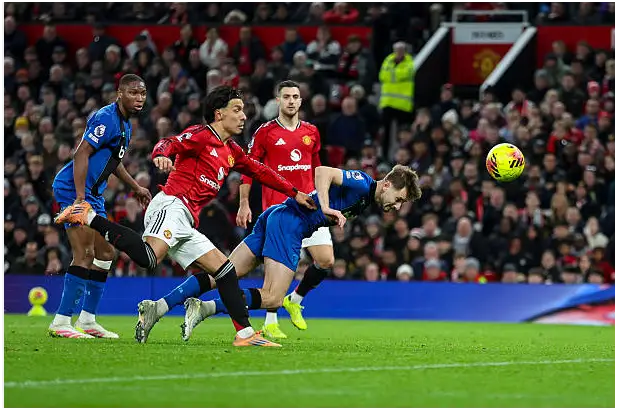
The Unforgettable 4-4 Draw Against Bournemouth: A Closer Look
Highlights of a Historic Match
The recent fixture between Manchester United and Bournemouth will be etched into the annals of Premier League history—both for its remarkable spectacle and its paradoxical impact on the club’s season. A game that swayed dramatically from exhilarating to exasperating left fans and analysts pondering the true nature of Manchester United’s capabilities this campaign. With the scoreline ending in a staggering 4-4, this encounter was not only a rollercoaster of emotions but also a showcase of the vulnerabilities and potential that coexist within this squad.
This match was a microcosm of Manchester United’s current season—a narrative of attacking brilliance overshadowed by defensive lapses and missed opportunities. Fans witnessed an exhilarating first half during which the team dominated possession and created countless goal-scoring chances, only to falter defensively at crucial moments, ultimately ending the game with a point that felt more like loss. The game’s unfolding was dramatic: MU’s relentless attack, moments of individual brilliance, yet, ultimately, a costly series of defensive mistakes that nullified what could have been a commanding victory or at least a victory in their grasp. This match remains a testament to the unpredictability and drama of football, especially when the stakes are high for a club with ambitions of returning to Europe’s elite.
As the game progressed, the narrative intensified—MU’s attack was dazzling, with fine play from key players and tactical adjustments that seemed to threaten Bournemouth’s goal relentlessly. The swashbuckling style and open play were a testament to the team’s potential, yet the vulnerability at the back made every goal for Bournemouth feel painfully inevitable. It became clear that the draw was more a reflection of MU’s inability to manage the game’s closing moments than a sign of dominance. Reflecting on the match, it becomes evident that a team’s true quality isn’t measured solely by offensive exploits but by how they handle adversity and close out games, a lesson that Manchester United may still need to master.
Statistical Dominance Despite the Draw
One of the most striking aspects of the match was Manchester United’s statistical superiority, especially during the first half. Advanced metrics, such as possession percentage, shot volume, and expected goals (xG), demonstrated an attacking team operating at peak efficiency. MU’s possession in Bournemouth’s penalty area reached an astonishing 30 touches, with 17 shots on goal, and an xG tally of 2.49—making it the highest first-half offensive performance in the league this season. These figures highlighted an aggressive, dominant team that appeared to have the game under control, yet lacked the finishing touch and defensive resilience to seal the victory.
This data sets MU apart from many of their league rivals, as their first-half performance was truly extraordinary. In a league where xG typically correlates with actual goals, Manchester United’s 2.49 xG in just one half is an impressive outlier. Only a handful of teams in the Premier League have surpassed this figure across entire matches this season; notably, Arsenal’s dominant victories over Leeds and West Ham featured higher xG totals of 2.80 and 2.89 respectively. By comparison, MU’s first-half xG is not just impressive—it underscores the team’s offensive potential and attacking statistics are among the league’s best. However, the stark contrast between this statistical dominance and the final result exposes a deeper issue: scoring opportunities alone do not guarantee wins, especially if defensive frailty persists.
What makes this disparity more frustrating for Manchester United fans is that the xG metric offers a tangible measure of how well the team played—and it confirms their performance was outstanding. Yet, despite such dominance, the team failed to translate that into victory, revealing a gap between performance and outcome. The typical expectation is that superior attacking metrics will lead to wins, but MU’s struggles at closing games—particularly when conceding late goals—highlight a disconnect. This contradiction underscores the importance of defensive solidity, which MU must improve if they hope to convert these impressive statistics into tangible league points and league positioning—a must if ambitions for Champions League qualification are to be realised.
The Discrepancy Between Performance and Result
The core issue Manchester United faces this season is an unsettling pattern: thrilling performances that result in disappointing draws or narrow losses. Despite their offensive flare and dominant first-half displays, the team’s inability to convert these efforts into true wins is costing them valuable points and, potentially, their European aspirations. This disconnect between playing well and actually winning reflects not only tactical shortcomings but also mental and tactical vulnerabilities—particularly in managing leads and defending under pressure.
The Bournemouth game exemplifies this paradox—MU played their best at Old Trafford in years, yet ended with a 4-4 scoreline rather than three points. The team’s performance was undeniably impressive, and yet their defensive lapses, individual errors, and inability to maintain concentration allowed Bournemouth back into the game twice. This highlights a fundamental issue: the true strength of a big club isn’t just in how they attack but in their capacity to close out matches and maintain defensive discipline. Without this balance, even the most dazzling performances can become hollow, and the crucial three points remain elusive. If Manchester United wishes to climb higher in the league, they must learn to convert commendable performances into decisive victories, turning potential into practical points.
Leading the league at times with dominant play, MU’s season underscores a less visible but critical truth—performance metrics alone often do not tell the full story. When the final whistle blows, it’s results that count most, and for Manchester United, the pattern of dropped points continues to haunt their campaign. The challenge now is to ensure that consistent effort and attacking flair are complemented by defensive resilience and match management, transforming these flashes of brilliance into the steady accumulation of league positions necessary for Champions League qualification.
The Pattern of Dropping Points: Consequences and Implications
Repeated Failures to Convert Leads into Wins
A troubling theme has emerged this season—Manchester United consistently begins matches with energy, creativity, and scoring opportunities only to falter in the decisive moments, dropping vital points in the process. The team’s pattern of opening the scoring but failing to secure a victory has become a bleak hallmark of their league campaign, severely affecting their standings and long-term prospects. Observers and fans alike are perplexed by MU’s tendency to lose grip after establishing an early lead, often suffering conceding goals that diminish their chances of climbing higher.
The evidence is stark—across five league draws, MU managed to take the lead in each game but lacked the resilience or discipline to see out matches. For instance, their 1-1 draw with Fulham, the 2-2 with Nottingham Forest, and the 2-2 against Tottenham showcase this troubling pattern. These results aren’t mere anomalies but rather symptomatic of deeper issues such as defensive lapses, tactical rigidity, or psychological unsteadiness under pressure. Each lost opportunity chips away at their league momentum, especially when trying to break into the top four or five.
From a strategic standpoint, these results demonstrate that MU’s problem isn’t just about creating chances but about maintaining the lead—something many top teams excel at. While they are capable of offensive firepower, their defensive vulnerabilities often allow opponents back into games, nullifying the benefits of their attacking efforts. The cumulative impact of these dropped points is significant: they risk falling outside the Champions League spots, especially given the fierce competition from other clubs striving for similar objectives. Recognising and rectifying this pattern will be crucial if Manchester United is to avoid a season of near misses and to establish themselves back among Europe’s elite.
Current League Position and Champions League Prospects
At present, Manchester United finds itself in sixth place—still within reach of the Champions League spots but dangerously close to falling behind. With 16 matches played, they are tied on points with Crystal Palace, just two points adrift of Chelsea in fourth place. This thin margin reflects how precariously their season hinges on a handful of decisive results. A series of wins from now on could propel MU into the coveted top four, but continued inconsistency and failure to capitalize on their performances threaten to derail that ambition.
Securing Champions League qualification—either directly through a top-four finish or via a potential fifth-place berth—remains the primary goal. For MU, this isn’t just about prestige; it influences financial health, attracts top players, and signals the club’s status resurgence. Currently, the club’s points tally and league position imply that they are in a survival zone—needing strategic wins rather than just points from drawn matches. The next few fixtures are critical: avoiding further slip-ups and converting their attacking prowess into wins is vital for their continental ambitions.
Looking ahead, the scenario isn’t solely dependent on Manchester United’s performances but also on how their rivals perform in the remaining fixtures. If they can tighten their defence and adopt more pragmatic tactics without stifling their creativity, they stand a better chance of breaking into the top four or top five. Conversely, continued inconsistency could leave them stranded, missing out on Champions League football for another season—an outcome that would be perceived as a significant setback given the club’s history and aspirations. The challenge lies in balancing offensive enthusiasm with defensive stability—a puzzle Manchester United needs to solve swiftly to keep their European dreams alive.
Strategic Challenges and Opportunities
The recurring pattern of multiple draws and defensive vulnerabilities raises urgent questions about Manchester United’s tactical approach and squad management. While the team’s attacking flair remains a strength, their inability to close out games underscores a need for tactical re-evaluation. Moving forward, managers must identify the core issues—be it personnel, formation, or in-game adjustments—that prevent them from turning promising performances into crucial victories.
One option involves enhancing defensive discipline through tactical shifts—perhaps adopting a more conservative or balanced formation that prioritizes solidity while maintaining attacking options. Strengthening the midfield’s control and communication could also mitigate defensive lapses, providing a shield for the backline. Additionally, the coaching staff must emphasize mental resilience—instilling a mindset that maintains focus, composure, and strategic discipline, especially when holding onto leads or managing late-game pressure. Such adjustments not only help secure points but also send a message about the club’s professionalism and ambition.
The broader opportunity for Manchester United is to leverage the season as a learning curve—identifying weaknesses early and addressing them systematically. Instilling a culture of consistency, resilience, and tactical flexibility will be key to transforming their impressive attack performance into a stable platform for league success. If they can align their tactical setup with their talent and mental toughness, they could capitalise on upcoming fixtures and cement their position in European competitions, rekindling their prestigious status on the continent.
Underlying Issues: Defensive Frailties and Goalkeeping Concerns
Defensive Lapses and Their Impact
Despite flashes of attacking brilliance and statistical dominance in certain phases, one of Manchester United’s persistent issues lies at the back. Recent matches have been plagued by defensive errors that have cost crucial points—errors that range from individual mistakes to breakdowns in team organization. Specific instances during recent fixtures clearly illustrate these vulnerabilities: Shaw’s costly ball loss leading to the first Bournemouth goal, sluggish defensive marking on the second, and lapses in positional awareness that invited sustained pressure from opponents.
These defensive lapses aren’t isolated incidents but part of a pattern suggesting systemic issues. The team’s defensive structure appears often disorganized, with players failing to communicate or react swiftly under pressure. Such tendencies can be rooted in tactical instructing, insufficient defensive training, or a lack of confidence stemming from previous errors. As a result, MU’s defensive frailty remains a significant obstacle to consistent success—both in domestic and European competitions. Overcoming these weaknesses is not just a matter of personnel change but requires comprehensive tactical and psychological adjustments to bolster collective discipline.
From a broader perspective, defensive instability saps confidence from the entire team—undermining offensive efforts and creating pressure that leads to further mistakes. The cumulative effect of these errors often turns promising performances into avoidable setbacks, making it clear that addressing defensive frailty is paramount. Without a tighter, more disciplined backline, Manchester United will continue to leak points, preventing them from climbing the league table and making meaningful progress in the Champions League.
Goalkeeping and Backline Stability
Contributing to these defensive issues is the volatility at goalkeeper and defensive line orchestrations. While individual shot-stopping and reflexes are vital, they must be complemented by a cohesive defensive system. Recent performances reveal moments of doubt, miscommunication, and positional errors that underscore the need for greater coordination and leadership from the goalkeeper and defenders alike. Coaches have emphasized the importance of reorganizing the defensive line to prevent costly errors, but results haven’t yet matched intentions.
Strengthening the backline requires a multifaceted approach: evaluating personnel, enhancing communication, developing better in-game organization, and instilling a disciplined mindset. Goalkeepers, in particular, need to develop a commanding presence that organizes defenders and encourages proactive positioning. The coaching staff must focus on drills that simulate game scenarios, sharpening defensive awareness and reducing mistakes under pressure. Improving defensive stability is crucial for turning attacking dominance into consistent league success and reducing the risk of conceding control of matches to opponents.

The long-term cost of ongoing defensive instability could be severe—dampening team morale, reducing points, and diminishing chances of European qualification. Addressing these issues requires a holistic effort from management, coaching staff, and players, emphasizing discipline and tactical understanding. If MU can tighten their defensive ship, they will not only improve results but also bolster their confidence, making them a formidable opponent in future fixtures—and a genuine contender for Champions League places.
The Cost of Defensive Instability
Defensive fragility doesn’t just impact immediate results—it influences team morale, player confidence, and the club’s long-term ambitions. Vulnerable defenses allow opponents to exploit weaknesses, often turning what should be manageable matches into nerve-wracking battles. For Manchester United, defensive issues have been surprisingly costly—costing points, damaging goal difference, and undermining their league position.
The impact of continued defensive errors is compounded when considering the psychological toll on attackers and midfielders tasked with maintaining offensive pressure. When the backline falters, it forces the entire team into a reactive stance, diminishing their natural attacking instincts and leading to a cycle of frustration. Solutions include not only tactical tweaks but also a need for mental conditioning, squad rotation, and possibly personnel changes to reinforce the defensive core. If these issues remain unaddressed, they threaten to overshadow the team’s attacking strengths and derail their pursuit of European excellence.
Overcoming these weaknesses demands a disciplined approach—focusing on defensive organization, individual accountability, and fostering a mindset that values resilience. Long-term success hinges on this foundation, as consistent defensive performance will be the bedrock upon which Manchester United can build a sustainable campaign, ultimately returning to the Champions League with confidence and clarity.
Offensive Performance: Strengths and Areas for Improvement
Goalscoring Capabilities
Manchester United’s attacking threat this season has been evident in their goal tally, with 30 goals scored after 16 league matches—only surpassed by Manchester City in the Premier League. Their offensive prowess is largely attributable to the creativity of key players, tactical flexibility, and a newfound confidence in front of goal. The squad’s ability to threaten opponents with quick, incisive attacks has kept fans hopeful and added excitement to their campaign. This goal-scoring form demonstrates the club’s potential to compete at the highest level, even amidst defensive concerns.
The attack’s primary contributors include top-tier talents whose individual skills and understanding of the game have driven Manchester United’s offensive surge. Creative players like Marcus Rashford, Bruno Fernandes, and emerging talents have combined to create scoring chances that keep opponents on their toes. Their impact underscores the importance of system flexibility—allowing MU to exploit specific weaknesses and adapt tactics depending on the opposition. While goal creation has been a bright spot, translating these chances into consistent wins remains a challenge, especially if defensive errors continue to undermine their efforts.
Beyond individual brilliance, the collective attacking approach showcases a team willing to take risks and press high, which occasionally leaves them vulnerable to counters. Yet, the overall offensive capability is a foundation upon which to rebuild confidence. Fortifying this attacking strength with improved finishing, better movement off the ball, and tactical patience can elevate MU’s chances of securing vital points. As long as their forward line continues to fire, Manchester United retains hope of turning their offensive potential into a regular source of consistent results—an essential element in their quest for Champions League qualification.
Efficiency and Conversion Rate
Despite their impressive attack metrics, Manchester United’s efficiency in converting opportunities into goals remains an area needing improvement. While xG figures suggest plenty of scoring chances created, actual goals tally remains below expectations relative to their attacking output. This disparity indicates either hesitations in finishing, overly ambitious attempts, or lapses in decision-making in front of goal. Improving this conversion rate is crucial for maximizing the team’s chances and ensuring that their dominant performances translate into points on the league table.
A closer look at key attackers’ expected goals and assists reveals room for growth—particularly in the composure at critical moments and tactical awareness to take the best opportunity rather than forcing difficult shots. There is a fine balance between creative play and clinical finishing, with the latter often separating winning teams from those merely competing. Enhancing their finishing skills through focused training, video analysis, and mental preparation can make a tangible difference in turning half-chances into goals, thus locking in victories which are vital for league standings.
Looking ahead, implementing tactical flexibility—such as more varied attacking patterns or set-piece routines—could help MU capitalize on their creative dominance. Developing a ruthless, goal-oriented mindset in front of goal will also be essential to overcoming the pattern of draws that costs them precious points. If they can hone their finishing, Manchester United’s attacking play will become even more lethal, boosting their prospects for a top finish and European qualification.
Supporting Data and Future Outlook
Expected goals (xG) and expected assists (xA) metrics serve as critical indicators of attacking intent and potential. Manchester United’s current xG puts them among the league’s top teams, reflecting their consistent creation of scoring chances. However, converting these chances into actual goals remains a work in progress. Enhancing clinical efficiency, particularly in tight or crucial situations, could make the difference between a robust attacking front and one that leaves points on the table.
To improve their offensive output, MU could focus on refining positional play, improving set-piece routines, and fostering greater spatial awareness among attackers. Tactical modifications that increase the variety of attacking options can also help stretch opposition defenses, creating more high-quality chances. Supporting players’ decision-making in the final third through targeted training and analysis could elevate their finishing and link-up play—thus reducing wasted opportunities and increasing goal returns.
In the broader outlook, Manchester United’s offensive strengths provide a solid base for future success, but a concerted effort to improve conversion rates will be pivotal. The team’s ability to sustain pressure, adapt tactically, and end sequences with clinical finishing will determine whether their statistical advantage translates into league success, European qualification, and ultimately, a return to the pinnacle of continental football.
The Road Ahead: Can MU Return to Champions League?
Challenges Facing Manchester United
The seemingly paradoxical season for Manchester United encapsulates a host of challenges that threaten their bid to re-enter the Champions League. First and foremost, their defensive vulnerabilities must be addressed—repeated mistakes have cost them crucial points and exposed their backline to easy exploitation. Additionally, injuries, squad depth limitations, and maintaining psychological resilience amid a fixture congestion add layers of complexity to their ambitions. The team’s ability to combine attacking prowess with defensive stability will be the bedrock of their success or failure.
Another significant challenge lies in managing player fitness and morale. The season’s ups and downs, coupled with high expectations from fans and management, can lead to mental fatigue and discouragement. The instability caused by inconsistent results hampers confidence and creates a cycle of pressure that must be broken through strategic calmness and leadership. Meanwhile, tactical rigidity—such as over-reliance on attacking formations without sufficient defensive cover—may leave them exposed on the counterattack, especially against the league’s best teams.
Looking ahead, these challenges aren’t insurmountable, but they demand disciplined execution, smart management, and a united team effort. The club’s leadership, coaching staff, and players need to prioritize defensive organization, minimize errors, and foster mental toughness. Success will require balancing their natural attacking side with pragmatic tactics, ensuring that each match’s strategy aligns with their broader goal of Champions League qualification—an objective that remains within reach if they match ambition with execution.
Potential Strategies for Success
To enhance their prospects of returning to the Champions League, Manchester United could consider pivotal tactical reforms aimed at addressing their core deficiencies. A more disciplined defensive setup—such as a shift to a back four with a dedicated holding midfielder—could help contain counterattacks and prevent the costly errors that have plagued recent matches. Midfield control and positional discipline will be essential in controlling the tempo and reducing defensive exposure, while tactical flexibility allows the team to adapt to different opponents.
Mental resilience must be prioritized equally—coaching staff should work on match awareness, crisis management, and composure under pressure. Developing a “game management” mentality that emphasizes patience, tactical fouling when necessary, and strategic substitutions could help MU hold leads or recover from setbacks. Moreover, empowering players through leadership and fostering a culture of accountability can raise the overall standard and consistency across the squad.
Long-term success hinges not only on tactical adjustments but also on strategic use of squad rotation, integrating youth talent, and ensuring physical and psychological readiness at all times. By combining tactical flexibility with mental toughness, Manchester United can capitalize on their attacking strengths and push for a top-four finish, ultimately achieving their goal of Champions League participation—and restoring their reputation as one of Europe’s most formidable clubs.
Long-term Prospects and Fan Expectations
The season’s trajectory raises pressing questions about Manchester United’s long-term vision and commitment to sustained success. To meet fan expectations and regain their stature among Europe’s elite, the club must deliver consistent results and tactical stability. This means not just aiming for immediate qualification—it involves investing in defensive solidity, nurturing young talent, and creating a squad capable of competing on multiple fronts with resilience and adaptability.
Fans remain hungry for success, and their unwavering support is both a source of motivation and pressure. The club’s management has a pivotal role in providing stability, investing in defensive personnel, and ensuring that the team remains focused amid the pressures of a congested fixture list. Transparent communication, strategic planning, and a clear vision for the future will help maintain fan trust and enthusiasm whether or not immediate success is achieved.
In summation, Manchester United’s future hinges on their ability to balance attacking flair with defensive discipline, tactical versatility, and mental resolve. The season thus far paints a picture of enormous potential intertwined with significant hurdles—success in returning to the Champions League will depend on how effectively the club addresses these challenges, sustains their best performances, and cultivates a winning mentality across the squad. The pathway is challenging but achievable, provided the team remains committed, disciplined, and united in their pursuit of continental glory.
Conclusion
Manchester United’s season is a complex mosaic of brilliance and inconsistency, with moments of attacking dominance contrasting sharply with defensive lapses that cost them vital points. Their extraordinary 4-4 draw with Bournemouth encapsulates both their offensive potential and defensive frailties—highlighting their capacity to thrill fans yet frustrate supporters and analysts alike. While statistically commanding in offensive metrics like possession and expected goals, MU’s recurring pattern of dropping points from winning positions threatens their league ambitions and Champions League prospects. Addressing defensive vulnerabilities, improving tactical discipline, and converting performances into decisive victories will be essential if the club hopes to restore their European prominence and meet the high expectations that come with their storied history. The journey ahead demands resilience, strategic adjustment, and mental toughness—traits that ultimately define a truly top-tier team. Only through these efforts can Manchester United ensure their return to continental reckoning and reaffirm their status among Europe’s elite.