
In the bustling world of football management, Ruben Amorim has become a figure of intrigue and controversy at Manchester United. His unfiltered comments and bold stance have stirred the Premier League’s landscape, raising questions about his future at Old Trafford. Ruben Amorim’s presence in one of the world’s most storied clubs is not just about tactical prowess but also about challenging the very leadership that sustains the legendary team. This article delves into his background, his latest confrontations with club officials, and the turbulent future that awaits this ambitious Portuguese coach.
Introduction to Ruben Amorim and His Position at Manchester United
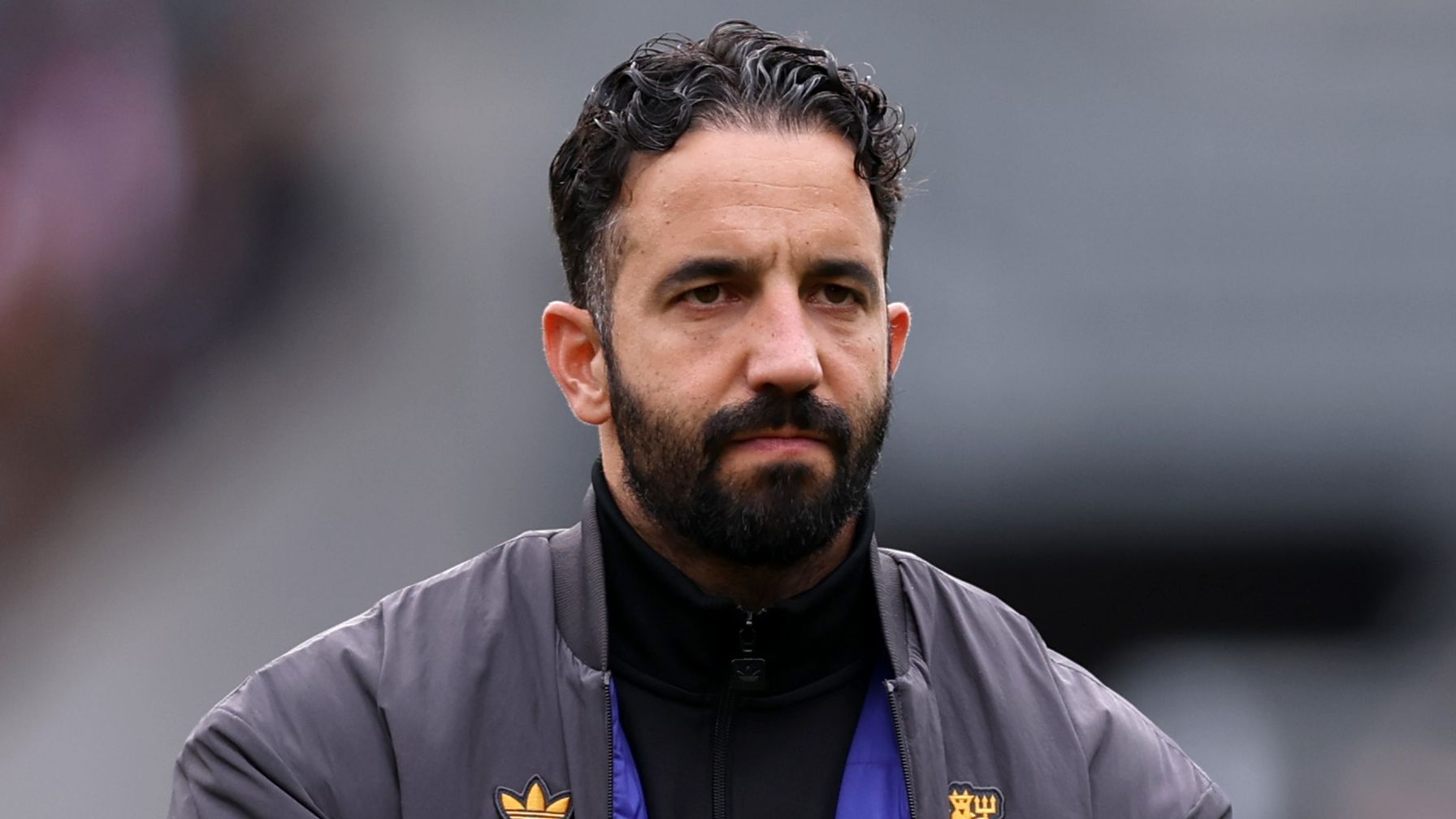
Ruben Amorim’s appointment at Manchester United marked a significant departure from traditional managerial routes. Known for his innovative tactics and fresh approach, Amorim was seen as a breath of fresh air for a club steeped in history yet struggling with internal and external pressures. His journey from coaching in Portugal to the vibrant and competitive English Premier League symbolizes a bold step into uncharted territory.
Background and Career Highlights of Ruben Amorim
Ruben Amorim’s coaching journey began in Portugal, where he quickly gained recognition for his strategic acumen and ability to nurture young talent. He started his managerial career at Braga, swiftly transforming a middling team into a competitive side capable of challenging giants. His success at Braga, notably breaking the dominance of Porto, Benfica, and Sporting CP, showcased his capacity to build cohesive and disciplined units rooted in modern football philosophy.
In 2022, he took charge of Sporting Lisbon, further cementing his reputation with impressive performances and tactical flexibility. Under Amorim’s leadership, Sporting achieved multiple domestic titles and made deep runs in European competitions. His tactical approach, marked by fluid formations and emphasis on possession-based football, resonated with modern trends and drew admiration from pundits and players alike.
Context Leading to His Appointment at Manchester United
Manchester United’s search for a forward-thinking manager who could rehabilitate the club’s image and rebuild its competitive edge brought Ruben Amorim into the spotlight. The club’s management sought someone youthful, dynamic, and capable of implementing a cohesive system while also fostering the development of young players. Amorim’s success in Portugal, especially his knack for developing emerging talents, made him an attractive candidate.
Initially met with curiosity and cautious optimism, Amorim’s appointment was seen as a strategic move towards modernizing United’s approach. Fans and media outlets debated whether his tactical philosophies could mesh with the high expectations and internal club culture. While some heralded his arrival as a sign of progressive change, others expressed skepticism given his relative lack of experience in the English top flight.
The Significance of Amorim’s Coaching Philosophy
Amorim’s football philosophy emphasizes tactical adaptability, fluid formations, and player empowerment. His approach is rooted in modern, flexible systems that allow players to express themselves while maintaining defensive discipline. This tactical elasticity has earned him praise and has been credited with elevating his previous teams’ performances.
Moreover, Amorim places significant emphasis on youth development and tactical intelligence, aligning with Manchester United’s tradition of nurturing young talent. His adaptable style, capable of shifting from a 3-4-2-1 to a more traditional 4-3-3 or 4-2-3-1 based on the situation, demonstrates his flexibility. However, this very versatility has also led to internal friction, especially when the club’s executives challenge his strategic choices.
The Public Challenge to Manchester United’s Leadership
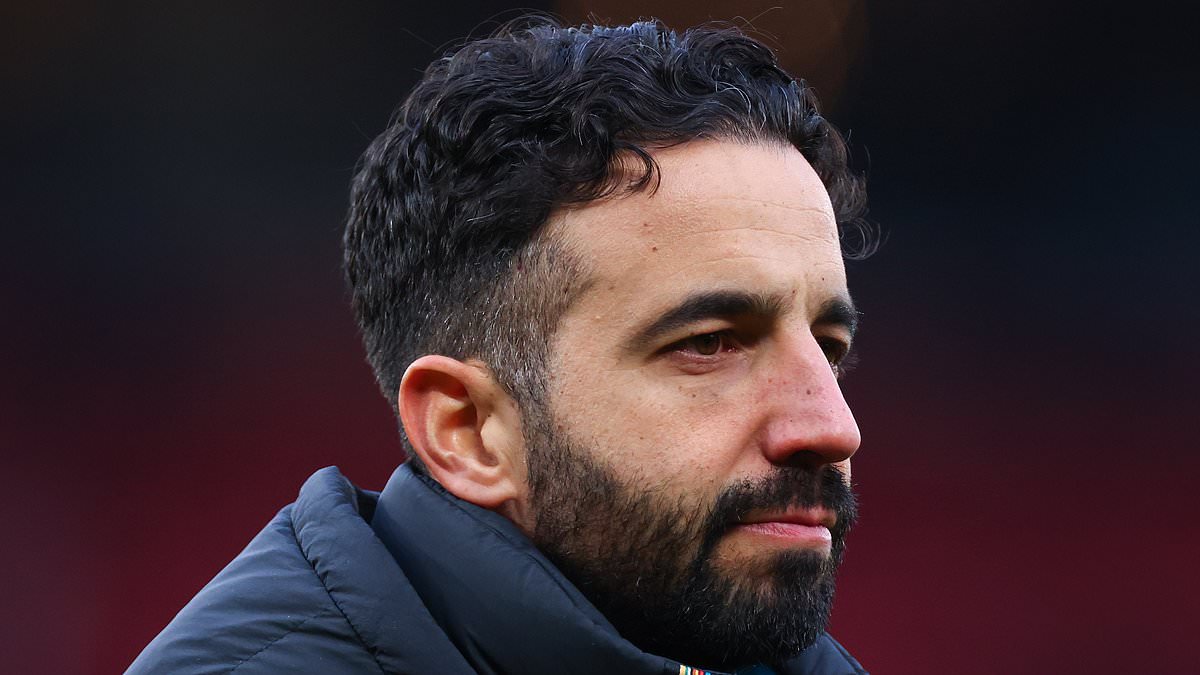
Amid the early stages of his tenure, Ruben Amorim’s candidness and the tone of his public statements have shaken the club’s hierarchy and sparked widespread controversy. His recent comments after a 1-1 draw against Leeds United opened a window into growing discontent and underlying tensions within Old Trafford. These remarks not only challenge the authority of club officials but also risk destabilizing the team’s unity.
Summary of Amorim’s Post-Match Comments
Following the recent match against Leeds United, Amorim made headlines with his frank and unabashed words. He acknowledged that his role extended beyond coaching, asserting that he was there “to be the manager of Manchester United,” not just a football coach. His assertion that his tenure could last “18 months or until the club’s leadership decides otherwise” was a clear signal of his frustrations and his view of the instability prevailing at Old Trafford.
In his post-match press conference, Amorim openly questioned the decision-making processes of the club’s hierarchy, noting that his position was not guaranteed and that he was committed to his duties only as long as he was allowed. His pointed remarks seemed to question the club’s direction and decision-making, signaling a brewing clash that threatens to undermine the club’s unity at a crucial juncture.
The Nature of the Challenge
Amorim’s statements went beyond typical post-match analysis; they explicitly challenged the authority of Manchester United’s management. He confronted the internal power struggles and made his stance clear—he is not merely a figurehead but believes he has strategic influence over team affairs. His assertion that he would “do the job until someone else replaces him” implies dissatisfaction with the current leadership direction and hints at possible discord with the club’s executives.
This bold challenge is unusual in the context of Manchester United’s traditionally hierarchical club culture, where managerial independence is often limited by the board. Amorim’s comments risk escalating tensions, especially given the club’s recent history of managerial upheavals. His outspoken nature raises questions about whether he is attempting to leverage his position or if underlying frustrations have reached a breaking point.
Reactions Within the Club
The club’s internal response to Amorim’s candid remarks was swift and laden with concern. Key figures including CEO Omar Berrada and Sporting Director Jason Wilcox appeared shocked by his bluntness, potentially signaling a divergence in perspectives. Their reactions suggest that Amorim’s unorthodox public stance has unsettled the established order, casting uncertainty on his future.
These reactions could influence the team’s dynamics, as players and staff are sensitive to the club’s leadership signals. If internal discord persists, it could undermine team cohesion and performance on the pitch. Such disagreements threaten to turn Manchester United’s dressing room into a battleground of conflicting interests, further complicating the club’s path forward.
Media and Fan Responses
The media’s portrayal of Amorim’s comments has been a mixture of intrigue, criticism, and concern. Some analysts argue his transparency exposes internal instability, while supporters are divided—some admire his honesty, others worry it signifies a lack of control within the club hierarchy. Fans’ reactions reflect the broader uncertainty about the club’s direction amid results-driven pressures.
Moreover, the controversy surrounding Amorim’s candidness has overshadowed the club’s on-field efforts, raising questions about stability and leadership. The media narrative now revolves around whether he is a disruptive influence or a catalyst for necessary change, shaping public perception and stakeholder confidence.
Performance Analysis and Internal Frictions
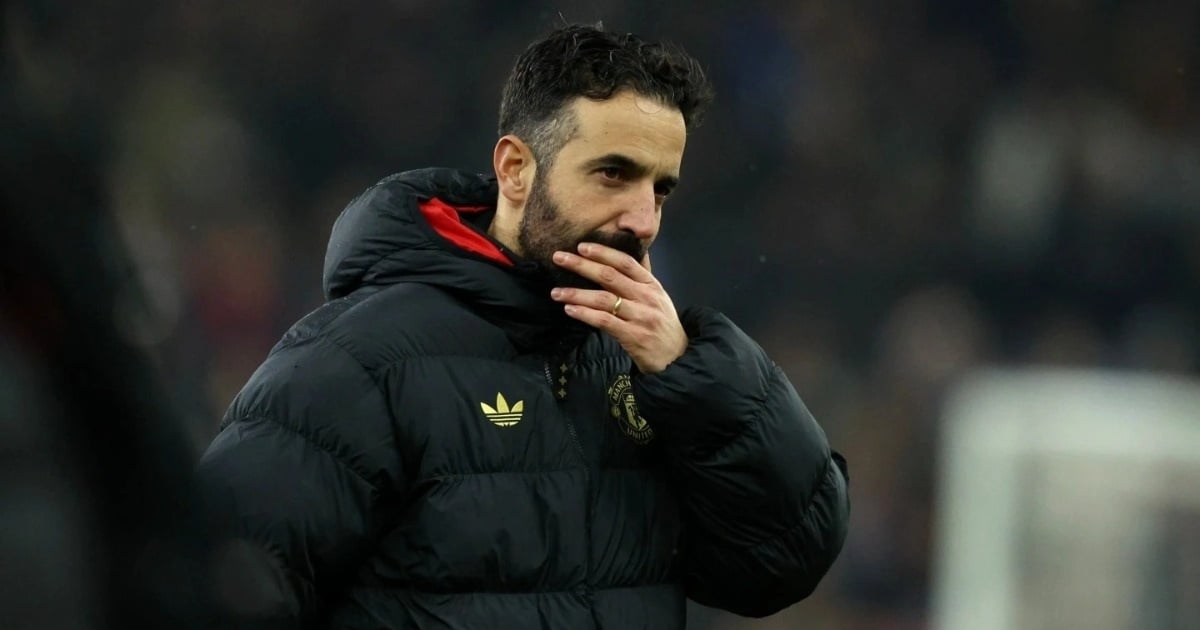
Despite his reputation for tactical ingenuity, Ruben Amorim’s tenure at Manchester United has been marred by underwhelming results and internal strife. His win percentage of approximately 38% from 63 games reflects challenges in translating his Portuguese success to the Premier League stage. The team’s recent performances, culminating in a Europa League final loss and a mediocre league standing, cast doubt on his long-term viability.
Amorim’s Track Record at Manchester United
Statistically, Amorim’s leadership has yet to inspire consistent success. With only 24 victories out of 63 matches, the team’s recent form has dipped, raising concerns about tactical adjustments and team motivation. His failure to qualify for Champions League football last season, coupled with disappointing league placements, has further fueled doubts about his effectiveness.
These results underscore the disconnect between Amorim’s vision and the team’s actual performance metrics. His tactical flexibility, once a strength, now appears to be a source of internal confusion, especially when combined with organizational challenges. The club’s fans and pundits are questioning whether his methods have been sufficiently adapted for the Premier League’s high pace and physicality.
Discontent Over Transfer Strategies
A significant aspect of internal friction revolves around transfers, with Amorim reportedly clashing with club officials over potential signings like Antoine Semenyo. Despite interest from Manchester United, other clubs—most notably Manchester City—have taken the lead, illustrating the uncertainty in strategic planning. Amorim’s preferred profile of player seemingly clashes with the club’s scouting and recruitment policies.
His dissatisfaction with transfer choices points to deeper issues within the club’s organizational structure. Conflicting visions for player acquisitions undermine his authority and hinder squad development. Such disputes threaten to stall the team’s progress and diminish morale, especially if top targets are missed or misaligned with his tactical system.
Criticism from Club’s Scouting Department
Adding to the turmoil, Christopher Vivell, the club’s chief scout, expressed skepticism about Amorim’s signature 3-4-2-1 formation. The disagreement reflects a broader clash between tactical philosophy and recruitment strategy, which can impede the implementation of long-term plans. The mismatch between the coach’s system and available personnel has hampered team cohesion.
This criticism highlights the critical importance of cohesive strategy across coaching, scouting, and transfers. When the vision of the coach conflicts with the club’s structural setup, the result can be disorganized development efforts, negatively impacting both stability and results on the pitch.
Implications for Team Development
The ongoing internal conflicts threaten to destabilize the squad further by affecting player morale. If the coaching staff and management do not align on tactical and transfer decisions, it could lead to inconsistent performances and a fractured team environment. The future of key players and squad rotation plans may be jeopardized by this discord.
Amorim’s ability to unite his players behind a clear tactical vision remains in question. As disagreements persist, team cohesion might suffer, making it difficult to execute game plans effectively. The result could be a downward spiral impacting results in upcoming fixtures, including the imminent clash against Burnley.
Future Prospects and Potential Outcomes
Given the mounting internal disputes and questionable results, rumors of Ruben Amorim’s potential departure are gaining traction. Historically, Manchester United has seen high-profile managerial conflicts end with abrupt dismissals, and Amorim’s outspoken nature could hasten a similar outcome. The club’s need for stability amid turbulence remains urgent, and his fate hangs in the balance.
Rumors of Possible Departure
Indicators suggest that Amorim’s position is precarious, with sources pointing to an imminent review of his role. Past incidents at Manchester United, such as the dismissals of Enzo Maresca and Nuno Santo, serve as cautionary tales of managerial conflicts that end sourly. The club’s internal disquiet could result in a leadership reshuffle, possibly sidelining Amorim if tensions escalate.
While he remains the official coach, whispers within football circles hint that a transitional phase may be imminent, especially if results do not improve. His outspoken attitude and clashes with management could accelerate his exit, leaving the club to seek a more politically aligned figure to stabilize proceedings.
Upcoming Match and Press Conference
Ahead of the next fixture against Burnley, expectations are high for Amorim’s presence at the pre-match press conference. Given recent controversies, the media will scrutinize his comments and composure during these interactions. With tensions high, supporters and officials alike will be eager to assess his ability to command respect and project a united front.
The upcoming match serves as a critical moment—both for team performance and for Amorim’s standing. A strong showing and measured communication could help bridge internal divides, but failure to control the narrative may deepen the crisis, fueling calls for change from club executives and supporters.
Possible Interim or Replacement Managers
In the event of Amorim’s departure, Manchester United will confront the challenge of appointing a temporary or permanent successor. Candidates with experience in managing high-pressure environments and navigating club politics will be favored. Names such as Nuno Santo, who previously worked with the club, or other seasoned tacticians, could be considered.
The interim appointment could serve as a stabilizer while the club searches for a long-term solution. Internal options, such as club legends or current coaching staff, might be considered to restore harmony. The decision will be critical in shaping the club’s future trajectory—either continuing the current turbulent path or steering towards renewed stability.
Long-term Impact on Manchester United
The internal unrest ignited by Amorim’s candidness could leave a lasting impression on Manchester United’s organizational culture. Lessons on leadership, communication, and strategic cohesion will need to be addressed to prevent recurrence. The club’s reputation for managerial stability might suffer temporarily, but it also presents an opportunity for reform.
In the broader context, how Manchester United manages this crisis will influence future hiring practices and internal governance. Demonstrating resilience and adaptability could ultimately lead to a more cohesive, forward-looking club structure. Conversely, failure to resolve internal conflicts may prolong instability and hamper ambitions of returning to the summit of European football.
Conclusion
Ruben Amorim’s candid remarks and confrontational stance at Manchester United reveal a face of a coach willing to challenge traditional hierarchies in pursuit of his vision. His background of success in Portugal, characterized by tactical flexibility and youth development, seemed promising for United’s renaissance. However, recent public statements and internal conflicts suggest that his journey at Old Trafford has become turbulent, raising doubts about his future amid disappointing results and clashing philosophies. The club now faces a critical juncture where internal cohesion and strategic clarity will determine whether Amorim remains in charge or departs amid the chaos. Regardless of the outcome, this controversy underscores the importance of leadership cohesion, communication, and shared vision in managing one of the world’s most high-profile football clubs, lessons that resonate beyond the pitch and into the future of Manchester United’s legacy.