
Manchester United’s recent performance has ignited controversy among fans and pundits alike, especially after their disappointing 1-1 draw against Wolverhampton Wanderers at Old Trafford. This match, which should have been an opportunity to secure vital league points, instead raised questions about the team’s tactical approach, squad management, and future prospects. The fallout from this game has intensified scrutiny on manager Ruben Amorim’s decisions, particularly his formation choices, and has cast a shadow over United’s ambitions for the current season.
Main Keyword: Manchester United
Overview of the Match Against Wolves and Its Aftermath
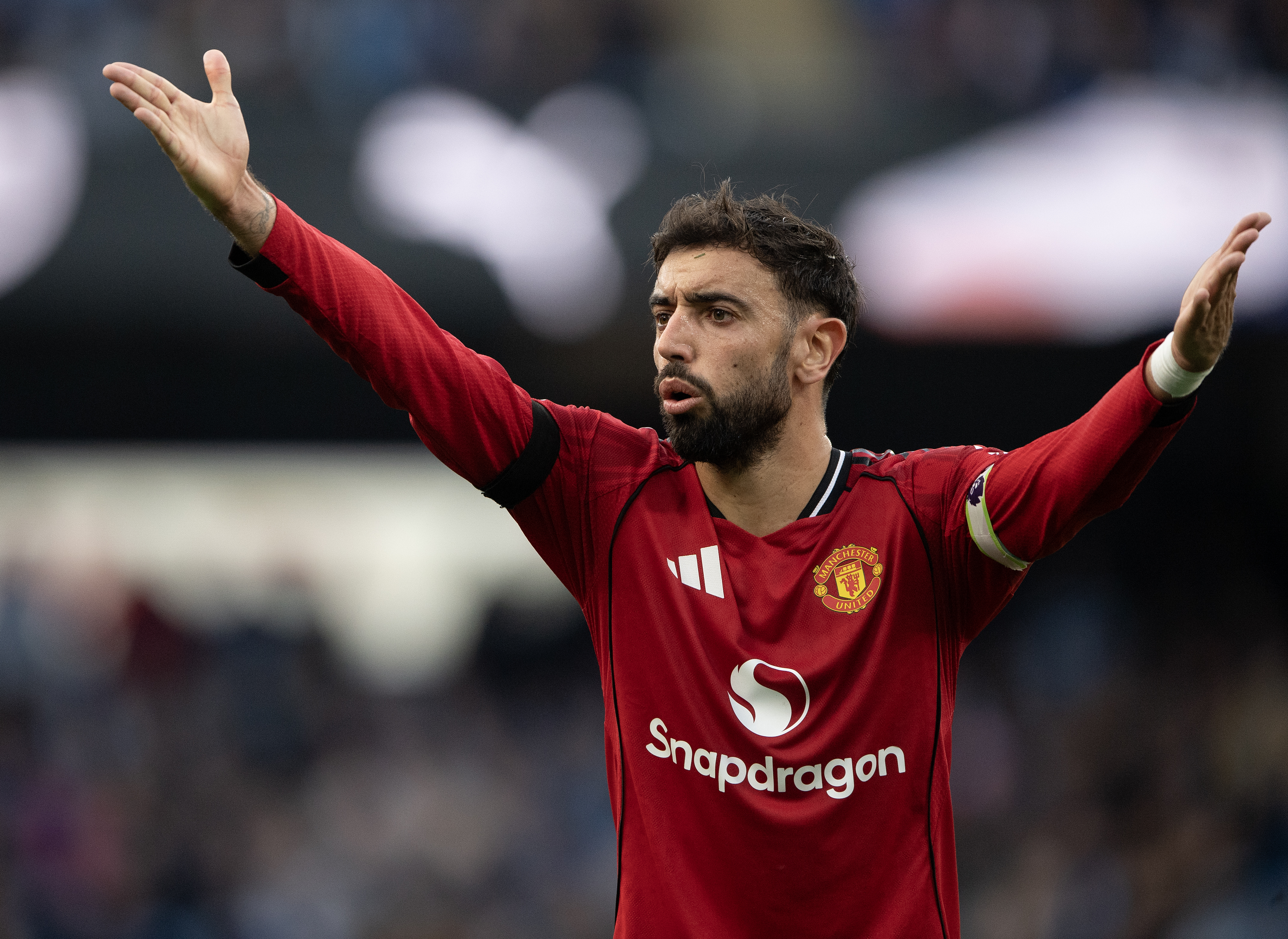
Manchester United hosted Wolverhampton Wanderers at Old Trafford in a fixture that proved to be a moment of significant disappointment for the Red Devils. Expectations rose among supporters for a convincing victory, especially given Wolves’ precarious position at the bottom of the Premier League standings. However, the game ended in a 1-1 stalemate, with Wolves snatching a crucial point and leaving fans frustrated and critical of their team’s performance.
This outcome had far-reaching implications beyond the immediate disappointment on the pitch. It was a stark reminder of the inconsistency the team has struggled with throughout the season. The match’s outcome was especially frustrating because Manchester United appeared poised for victory, only for defensive lapses and tactical misjudgments to undermine their efforts. As a result, the draw not only dented their league standings but also raised deeper questions about the team’s strategic approach and management.
The Final Score and Context of the Match
The match unfolded with Manchester United initially taking the lead through Joshua Zirkzee’s opener in the 26th minute, which had fans hopeful of an imminent win. However, Wolves responded just before halftime, with Ladislav Krejci’s equalizer. This goal was met with frustration as fans believed MU had missed a chance to bury the game early on and secure three vital points at home. The game saw moments of tension, near-misses, and controversial refereeing decisions, especially when Patrick Dorgu’s late goal was disallowed for offside—a decision supported by VAR.
Despite United’s dominance in possession and scoring opportunities in the final minutes, they couldn’t capitalize. Patrick Dorgu’s close-range effort was ruled out for a barely perceptible offside, symbolizing MU’s ongoing struggles with finishing and decision-making at crucial moments. The result, a draw, left fans disappointed as they wondered whether tactical rotation, player performance, or both were to blame for the missed opportunity—an important consideration as the team looks to stabilize their league position.
The Significance of the Result for Manchester United
The outcome of this game had notable consequences for Manchester United’s league ambitions. Falling behind their rivals with a draw that felt more like a defeat, MU’s pursuit of a top-four finish now faces heightened challenges. The points dropped against Wolves, a team languishing at the bottom, exposed vulnerabilities in United’s tactical approach and squad depth.
More critically, this result amplified the ongoing debate about the club’s strategies and their adaptability. While moving forward, Manchester United needs both consistency and tactical flexibility, recent performances suggest that fundamental issues remain unresolved. Fans and analysts alike are questioning whether the team’s current direction can sustain higher league standings, especially given the injury setbacks and upcoming fixtures. The poor result underscores the importance of strategic planning and personnel management in achieving long-term success.
Tactical Decisions Under Fire: Amorim’s Formation Choices
The tactical decision to switch formations during the Wolves match was one of the most contentious aspects of the game. Supporters had eagerly anticipated the continuation of a successful 4-2-3-1 system, which had previously delivered positive results. Instead, manager Ruben Amorim opted for a 3-4-3 formation, a move that backfired in fans’ eyes and ultimately contributed to the draw—especially against a team struggling at the bottom of the league.
This unexpected tactical shift raised eyebrows among supporters and experts, who felt that Amorim’s choice was a gamble that did not pay off. Critics argued that the 3-4-3 system, despite being a familiar setup, was misplaced for this particular match, especially considering the squad’s injuries and the team’s delicate confidence. Such decisions highlight the importance of aligning tactics with the opposition and current squad strengths—a failing that many see as costing MU valuable points.
The Switch to a Three-Defender System
Pre-match forecasts indicated that Manchester United would likely stick to their tried and tested 4-2-3-1 formation. Many believed that this setup offered better attacking flexibility and defensive stability, which would be crucial against Wolves. Instead, Amorim’s reversion to a 3-4-3 appeared to be driven by a desire for increased width and balance in midfield—though it left many players out of their natural roles.
The transition to this system seemed to confuse players and disrupt the team’s rhythm from the get-go. It forced players like Zirkzee, who was played on the right wing, into unfamiliar roles that did not suit their skill sets. Supporters and tactical analysts argued that this change was unnecessary and that sticking with the previous formation would have provided more stability and attacking potency. The decision hence became a point of criticism, suggesting misjudgment on Amorim’s part, particularly against a weaker team.
Fan Reactions and Criticisms
The response from fans was swift and critical, especially on social media where frustrations boiled over. Many supporters viewed the formation change as an overcomplication, arguing that playing three defenders at home against Wolves, in their worst league season, was naïve. Centralized on platforms like Twitter and fan forums, fans questioned the rationale behind abandoning a formation that had recently shown promise; instead, they saw it as a tactical gamble that failed.
Several fans voiced their disillusionment, claiming that Amorim’s decision reflected a lack of tactical clarity and adaptability. Some supporters pointed out that the team needed to play to their strengths and that the decision to revert to a rigid 3-4-3 was more about a stubborn adherence to a system rather than strategic necessity. Such widespread dissatisfaction underscores how vulnerable even confident managers are to fan scrutiny when results don’t align with expectations, making future tactical choices a pressing concern.
Impact of Squad Limitations and Injuries
Compounding the tactical dilemma was the squad’s depleted state. Key players like Bruno Fernandes, Mason Mount, and Kobbie Mainoo were unavailable due to injuries, while others like Amad Diallo and Noussair Mazraoui were away on international duty. With such a thin squad, it seemed reasonable to adjust tactics to accommodate the personnel available; however, critics argued that Amorim’s choice displayed a lack of strategic foresight.
Despite these limitations, opponents contend that a flexible approach could have minimized the negative effects. The inability to field a full-strength team limited options, but supporters believe that better tactical planning and in-game adjustments might have mitigated some shortcomings. It demonstrates that even with injuries, a coach’s adaptability and understanding of player roles are crucial, a lesson that some fans feel is missing from Amorim’s current approach.
Expert and Legend Reactions: Neville’s Outrage
In the wake of the Wolves game, former Manchester United captain Gary Neville publicly expressed his outrage over the tactical choices made by Amorim. Neville’s outspoken criticism garnered widespread attention, emphasizing the severe implications of the decision to deploy a 3-4-3 setup and mismanage player roles. His comments underscored the urgency for the club to reassess not only tactics but also managerial judgment, especially as United clings to hopes of climbing the league table.
Neville’s critique went beyond mere formation criticism; he dissected individual player assignments and strategic miscalculations, asserting that the tactical errors contributed directly to the dropped points. His passionate on-air diatribe articulated how personnel were played out of position, creating a disorganized and vulnerable defensive structure that Wolves exploited. Neville’s outspoken stance signaled a sense of urgency among critics who believed that United’s season hinges on better tactical discipline.
Gary Neville’s Condemnation of the Tactical Approach
Neville did not shy away from pointing out what he saw as fundamental errors in Amorim’s management. He highlighted how Zirkzee was forced out of his natural role, playing narrowly and retreating deep into midfield, which compromised MU’s attacking potential. Dalot’s shifting position, often into unfamiliar defensive roles, confused the team’s structure and left gaps that Wolves easily capitalized on. Neville termed these formations and role choices as “ill-conceived,” leading to a disjointed team performance.
The ex-United defender stressed that recent improvements due to tactical tweaks made the regression to 3-4-3 all the more baffling. He argued that a more adaptable system, perhaps sticking to the successful 4-2-3-1, would have been more appropriate. Neville’s criticism was rooted in his belief that tactical rigidity and player mismanagement ultimately cost Manchester United vital points, particularly when the squad was already hit by injuries.
Analysis of Player Deployment and System Faults
In his analysis, Neville identified how improper positioning and personnel choices undermined the team’s defensive solidity. Player roles like Patrick Dorgu being pushed into wider or more advanced positions, despite his natural strengths elsewhere, exemplified poor tactical deployment. Neville expressed concern that such decisions demonstrate a lack of strategic planning and flexibility, critical components at the highest level of club football.
He summed up by stating that Manchester United must prioritize stability, clarity, and strategic consistency to improve results. The lessons from this game are clear: tactical experimentation should be justified by context, not driven by stubborn systemic preferences. Neville’s insights acutely highlighted the need for Amorim to adjust, learn, and adapt quickly if United is to challenge at the top of the league once more.
Broader Implications for Manchester United
The fallout from Neville’s comments reflects wider issues within Manchester United, especially concerning tactical leadership and squad management. The controversy underscores how even legendary former players are questioning the club’s current approach, and it emphasizes the need for decisive direction from the management. The tactical misjudgment has not only cost valuable points but also shaken confidence among fans and players.
This incident serves as a wake-up call for the club to re-evaluate its tactical philosophy and to consider whether current managerial strategies align with the club’s ambitions. The scrutiny from Neville, along with widespread fan discontent, illustrates that United’s success depends on strategic clarity, player roles, and the ability to adapt—elements that many believe Amorim’s current plan has yet to master. As the season progresses, the club’s willingness to embrace stable, effective tactics will be crucial in determining their league trajectory.
Fan Sentiment and Media Commentary
The Manchester United supporter base remains deeply divided following the Wolves draw, with a majority voicing frustration over the team’s inability to translate attacking momentum into decisive victories. Media outlets have also taken a dim view of the tactical incompetence on display, suggesting that the club’s future hinges on how quickly they can rectify their strategic shortcomings.
Supporters are vocal about their dissatisfaction, with many calling for accountability in coaching decisions and squad management. The media debate revolves around whether current strategies are aligned with the team’s strengths or whether a managerial overhaul is necessary to unlock their true potential. Placement in the league standings, performances in upcoming fixtures, and managerial stability are all part of the ongoing discourse on Manchester United’s future.
Discontent Among Manchester United Supporters
Fans have expressed mounting dissatisfaction with the team’s performance, particularly criticizing the tactical rigidity, missed opportunities, and defensive lapses. Their frustration is compounded by the perception that the team is not adapting to opponents or making the most of their personnel despite injuries and other constraints.
Social media platforms are abuzz with calls for change, with fans demanding clearer tactical plans and better in-game adjustments. Many believe that the current approach hampers attacking fluidity and defensive consistency, which are essential for challenging the top clubs in the league. As emotions run high, supporters continue to push for strategic reforms and roster improvements in hopes of turning things around.
Media Perspectives on Team Performance and Future Outlook
Analysts have voiced concerns about Manchester United’s tactical stability and their ability to overcome current challenges. Discussions center around whether Amorim’s management can develop a coherent identity and system that maximizes player strengths. Many experts are skeptical, suggesting the team needs to consider high-impact transfers—particularly in midfield and attack—to bolster their squad and improve tactical flexibility.
The media have also highlighted the importance of managerial clarity, arguing that prolonged instability and tactical experimentation are detrimental. Rumors of potential signings and managerial changes indicate an awareness that the team must act decisively to regain their competitive edge. The focus remains on finding a consistent style that aligns with club ambitions and ensures better results, especially as the season advances into the crucial second half.
Transfer Market and Future Plans
In light of recent results, Manchester United are expected to be active in the upcoming transfer window. Rumors point to high-profile acquisitions, including the possibility of spending over £100 million on a star player, as well as negotiations to offload underperforming squad members like Ugarte. These moves aim to address weaknesses exposed in current tactical setups and to build a more competitive roster.
The club’s strategic focus appears aimed at strengthening the midfield and attack, with emphasis on acquiring versatile players who can adapt to various systems. The potential for reshaping the squad offers hope for fans eager to see a more cohesive and tactically sound team. The transfer window may also bring opportunities to replace players whose performances have fallen short, creating a fresh dynamic aligned with the club’s long-term ambitions.
Rumored Signings and Strategic Reinforcements
Manchester United’s transfer plans seem set on targeting top-tier talent, with reports linking them to star players capable of transforming the squad. Among those rumored is a £100 million star, whose presence could provide the necessary spark to turn draws into victories. Additionally, negotiations are ongoing for Ugarte, the Uruguayan midfielder, as MU seeks to add depth and resilience to their central midfield.
These potential signings underscore the club’s ambition to reassert themselves as Premier League challengers. The focus on quality reinforcements reflects a recognition that tactical stability depends heavily on having players who understand their roles and execute them effectively. Such strategic moves are seen as essential to overcoming the tactical and performance issues revealed in recent matches.
Opportunities for Squad Reshaping
The upcoming transfer window presents a prime opportunity for Manchester United to reshape their squad, not only by bringing in new talent but also by addressing internal tactical vulnerabilities. Players like Ugarte and others could be key in establishing a more balanced midfield capable of adapting to different systems. Simultaneously, underperformers could be replaced to enhance competition and morale within the squad.
Addressing tactical deficiencies exposes the need for strategic reshuffling to optimize player roles and team structure. The club’s emphasis on strategic reinforcements suggests a desire to build a flexible, resilient squad capable of enduring the rigors of a demanding season. Ultimately, a successful transfer window could offer the stability and tactical clarity needed for Manchester United to challenge more consistently at the top of the league.
Conclusion
Manchester United’s recent draw against Wolverhampton Wanderers has ignited a firestorm of criticism centered on tactical decisions, player deployment, and managerial judgment. The controversial switch to a 3-4-3 formation, coupled with injuries and misfiring personnel, underscores the club’s ongoing struggles with consistency and strategic clarity. While passionate fans and legendary figures like Gary Neville have voiced their concerns over the tactical approach, the club faces an urgent need to adapt and improve—both through managerial decisions and strategic transfers. The upcoming transfer window offers a vital opportunity to reshape the squad and restore the team’s competitive edge, but much depends on how well the club can learn from its recent mistakes, implement clear tactical plans, and foster a culture of disciplined adaptability. Elucidating these issues is crucial if Manchester United is to meet their ambitions and return to the top echelons of English football.