
Manchester United’s recent match against Bournemouth was a dramatic rollercoaster—one that tested the team’s resilience, exposed deep vulnerabilities, and raised pertinent questions about tactical discipline and squad stability. As the Red Devils managed a narrow, hard-fought result, their performance revealed crucial areas where improvements are urgently needed to sustain success in a highly competitive Premier League landscape.
Manchester United has long been a club defined by its storied history and relentless pursuit of excellence. However, recent performances have shown cracks beneath the surface—particularly in defensive stability and tactical consistency—that threaten to undermine their ambitions. This article delves into the intricacies of that impactful game, analyzing what went wrong, what remained strong, and what strategic directions must be taken moving forward.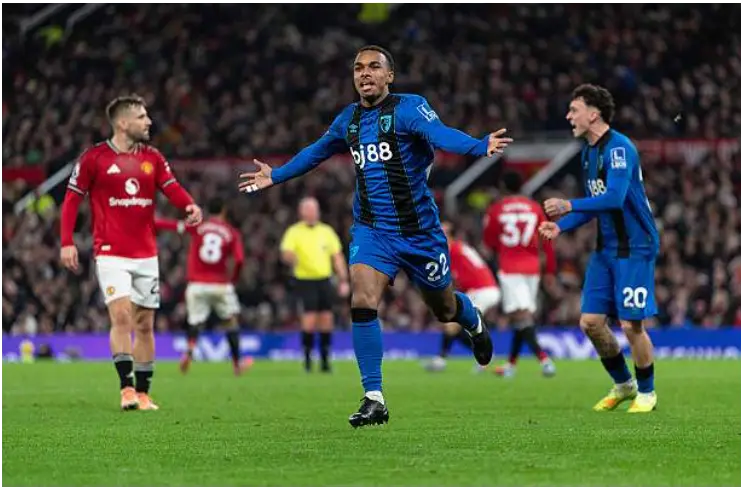
Introduction: A Narrow Save and Emerging Concerns
The Context of the Match: A Dramatic Encounter at Old Trafford
The recent fixture at Old Trafford was nothing short of a tense, adrenaline-filled encounter, where Manchester United showcased moments of attacking brilliance but also defensive fragility that nearly cost them dearly. Bournemouth, a side known for rapid transitions and vertical football, pushed United to the brink, turning a potentially comfortable win into a nail-biting finish. The game encapsulated the volatile nature of contemporary football—where moments of tactical mastery are often overshadowed by lapses that opponents can exploit with ruthless efficiency.
From the outset, United under Ruben Amorim pressed with energy, moving the ball swiftly and creating numerous scoring chances. However, the openness at the back and lapses in positional discipline meant Bournemouth could capitalize through their quick counterattacks and long ball strategies. This clash of styles—United’s attacking fluidity versus Bournemouth’s direct approach—highlighted the ongoing tactical balancing act that defines the team’s current form and coaching philosophy.
The Significance of the Result for Manchester United
Securing victory in such a volatile game was important for Manchester United’s morale and league standing, yet the narrow margin concealed significant underlying issues. A win—especially with a dramatic comeback—can often mask systemic flaws, but the match’s key moments unveiled vulnerabilities that could come back to haunt them in future fixtures against stronger sides or in knockout competitions.
For United’s management and fans alike, it raised a critical question: can this team maintain its attacking momentum while reinforcing defensive resilience? The result symbolized both a testament to their attacking prowess—highlighted by praise from pundits like Jamie Carragher—and a wake-up call about the need for structural adjustments. The game serves as a stark reminder that success requires more than isolated moments of brilliance; it demands consistency, discipline, and strategic adaptability.
Overview of Tactical Approaches and Key Moments
On the tactical front, United entered the game with their familiar 3-4-2-1 formation, emphasizing quick transitions and high pressing. The team’s early dominance and fluid attacking pattern—lauded by commentators—showed the potential of Amorim’s system. However, as Bournemouth responded with resilience and tactical discipline, the vulnerabilities of United’s defensive setup became apparent, especially as they shifted formation mid-game.
Important moments, including Bournemouth’s swift counterattacks exploiting the midfield gaps and their ability to take advantage of defensive breakdowns, underscored the gap between offensive potential and defensive reliability. The alterations by Amorim, particularly his switch to a 4-4-2 and a more elastic 4-2-4, reflected a recognition of these issues but also exposed questions about the team’s versatility and tactical cohesion under duress.
Defensive Vulnerabilities and Goalkeeping Challenges
Analysis of MU’s Defensive Frailties
Despite Manchester United’s reputation as an attacking powerhouse, their defensive organization remains a concern. The recent performance against Bournemouth made it clear that their backline is vulnerable to precise attacks aimed at exploiting the space between defenders. The recurring theme of wide open channels—particularly between the center-backs and full-backs—created opportunities for Bournemouth’s swift counterattacks and long-range shots.
The core problem stems from a combination of defensive miscommunication, lack of positional discipline, and insufficient defensive cover in midfield. This trifecta allows opponents to penetrate the lines and threaten the goal with relative ease. The team’s defensive frailties are not solely a matter of individual errors but also of tactical oversight and squad structure, raising questions about their long-term robustness.
Impact of Goalkeeper Performance: Senne Lammens vs. Alternatives
In goalkeeping, the debate between Senne Lammens and potential alternatives like Andre Onana or Altay Bayindir underscores the importance of consistency under pressure. Lammens, whose reflexes and decision-making were highlighted during Bournemouth’s pressing, played a pivotal role in preventing a more disastrous outcome. His reflex saves and quick reactions—particularly during critical moments—may well have saved United from a worse result.
However, relying heavily on the goalkeeping heroics exposes a team vulnerability—weaker defenses amplify the necessity for a goalkeeper who can command the box and organize the backline. The shift from Lammens to other options could either alleviate or exacerbate defensive issues, depending on the goalkeeper’s command, shot-stopping ability, and compatibility with the defensive line. Finding the right balance in this position remains a priority.
Bournemouth’s Offensive Efficiency and Scoring Patterns
The Cherries, despite not being a top-ranked team in possession control or structured buildup, demonstrated remarkable efficiency in front of goal. Their pattern of scoring—averaging one goal every three shots and netting four times through direct, fast-paced attacks—highlighted their proficiency in capitalizing on defensive lapses. They made the most of set pieces, long balls, and turnovers to threaten United’s goal repeatedly.
Bournemouth’s goal-scoring pattern, especially via direct attacks through the middle and flanks, was symptomatic of United’s defensive vulnerabilities. Their opportunistic style, rooted in quick transitions and physical duels, pressured United’s defenders into mistakes, often leading to opportunities that couldn’t be ignored. This efficiency underscores the importance for Manchester United to tighten their defensive lines and restrict such direct avenues for opponents.
Defensive Errors and Opportunities for Opponents
The game revealed multiple instances where defensive errors directly led to scoring opportunities for Bournemouth. Casual turnovers, missed marking, and misplaced passes perpetuated the cycle of vulnerability. Notably, two goals came from Bournemouth’s ability to recognize gaps and exploit the middle of United’s defense, even with Casemiro on the pitch.
These defensive lapses expose the underlying issue that if the team continues to operate with the current level of positional discipline, stronger sides will identify and punish those weak spots consistently. Such repeated mistakes also reflect the need for better communication, tactical discipline, and perhaps personnel adjustments in the backline to maintain solidity against disciplined opponents.
Offensive Strengths Amidst Defensive Instability
MU’s Attacking Fluidity Under Amorim
Despite their defensive issues, Manchester United displayed impressive attacking fluidity, especially during the initial 25-30 minutes of the game. Their movement, quick combination plays, and pressing created numerous goal-scoring opportunities. Carragher’s praise about this being their best attacking phase since Sir Alex Ferguson’s departure underscores the potential of Amorim’s tactical approach.
The team’s offensive rhythm was characterized by rapid ball circulation and players’ intelligent positioning, which kept Bournemouth on the back foot. This attacking momentum is vital for future success, but it must be complemented by a more resilient defensive setup to convert possession dominance into consistent victories.
Notable Player Contributions and Tactical Movements
Key players, including the creative midfielders and dynamic forwards, played crucial roles in generating scoring chances. The tactical movement of the offensive players—linked with Amorim’s system—allowed for space creation and quick combinations that overwhelmed Bournemouth early on.
Individual contributions from players like Sesko and the pressing intensity by the front line showcased a team capable of dangerous offensive play. However, the reliance on such moments of brilliance, without a stable defensive foundation, remains a concern. Forward movements and tactical creativity are important, but they need to be better supported by Defensive stability.
Caragher’s Praise and the Team’s Forward Momentum
Sky Sports pundit Jamie Carragher’s remark about MU’s attacking play being the best in recent seasons highlights the team’s offensive promise. The early stages of the game saw consistent pressure, structured attack patterns, and rapid transition—signs of a team with high potential under Amorim’s guidance.
Nevertheless, this attacking momentum cannot be isolated from defensive stability. If Manchester United are to maintain these positive offensive traits, they must also develop a more cohesive back line. Balancing attack and defense will ultimately determine their success in the league and beyond.
Limitations and Areas for Improvement
While their attacking play offers hope, several issues need to be addressed. These include inconsistent defensive coordination, vulnerabilities against quick counters, and over-reliance on certain players who tend to fatigue or be prone to errors. The team’s current form suggests that structural reforms in midfield and defensive sector are necessary to support their offensive efforts more sustainably.
In particular, the team must work on cohesive pressing, reliable defensive cover, and reducing individual mistakes that open the door for opponents. Strengthening these areas will help Manchester United convert their offensive strengths into more consistent victories.
Tactical Shifts and the Crisis of Principles
Amorim’s Formation Changes: From 3-4-2-1 to 4-4-2 and 4-2-4
The crucial turning point in the game was Amorim’s decision to alter his initial formation. After Bournemouth countered aggressively and scored twice in quick succession, the coach moved from a flexible 3-4-2-1 to a more conventional 4-4-2, eventually employing a 4-2-4 to push for an equalizer.
This shift demonstrated a tactical responsiveness but also revealed internal struggles with team consistency. The transition was driven by necessity—Amorim realized that sticking strictly to his principles was impractical under the current squad constraints. The attempts to revert to familiar formations expose the tension between tactical innovation and the need for structural reliability.
The Impact of Substitutions and Mid-Game Adjustments
Substitutions, such as the introduction of Kobbie Mainoo for Casemiro and the inclusion of Benjamin Sesko, were strategic attempts to adapt to Bournemouth’s attacking assaults. These in-game changes reflect a coach trying to navigate limitations—particularly in midfield depth—and modify tactics dynamically.
However, these adjustments also introduced new vulnerabilities, especially in midfield cohesion and defensive coverage. The substitution of Casemiro, who remains a vital figure in shielding the backline, exemplifies the fragility in squad depth. Such tactical changes often serve as short-term remedies but highlight broader systemic concerns that Amorim must address.
The First Signs of Structural Weakness Post-Change
Post-formation shifts exposed the cracks in United’s defensive organization—particularly in midfield and wide areas. Bournemouth’s ability to penetrate through the middle and exploit turnovers indicated that the team lacked sufficient structure to maintain defensive integrity when pushed out of their comfort zone.
This pattern suggests that Amorim’s current system, while effective offensively, requires refinement to be more resilient in the face of adaptable opponents. Without that, Manchester United will continue to thrive only in flashes, risking more severe consequences in matches against astute tactical sides.
Implications of Tactical Flexibility versus Consistency
The experimentations with multiple formations and in-game adjustments demonstrate tactical flexibility but raise concerns about consistency. A lack of a stable structural foundation can lead to lapses, especially against disciplined teams capable of exploiting transition moments.
Effective coaching must strike a balance—adapting tactics when necessary while maintaining core principles that ensure defensive solidity. For Manchester United, this means refining their tactical approach to adapt to different opponents without sacrificing discipline or organization.
The Central Defensive Dilemma
Issues with Midfield Pairings and Defensive Cover
The relationship between the midfield and defensive units is central to United’s struggles. The pairing of Casemiro with a less experienced or inconsistent partner has left gaps that Bournemouth’s direct attacks exploited. The lack of a reliable, complementary midfielder to shield the defense directly contributed to the team’s struggles.
Furthermore, the midfield’s failure to provide quick recovery runs meant that defenders faced mounting pressure, especially when Bournemouth pressed high and targeted the central channels. The cohesion between lines needs urgent reinforcement to prevent opponents from exploiting these weaknesses regularly.
The Role of Casemiro and the Effect of His Suspension
Casemiro has been a key figure in stabilizing Manchester United’s midfield, but his suspension in the upcoming fixture against Aston Villa leaves a significant void. Without him, the team must rely on less experienced players like Mainoo or Ugarte, whose recent form offers little reassurance.
His absence will further strain United’s defensive resilience, particularly as Villa are adept at attacking through the middle, adding to the urgency of systemic adjustments elsewhere to compensate. Amorim will need to prioritize defensive discipline and positional awareness to mitigate the impact of Casemiro’s suspension.
How Bournemouth Exploited the Middle of the Pitch
Bournemouth’s success in penetrating United’s defense was rooted in their ability to attack directly through the middle—finding gaps and creating shooting opportunities from within the penalty area. Their two goals in quick succession came from this tactical approach, exposing the gaps in United’s midfield and central defense.
This exploitation underscores the importance of maintaining zonal and man-marking discipline, especially in transition. Without a well-organized midfield that can quickly regain shape and press the ball-carrier, United risk repeated vulnerabilities that opponents will remember and target.
The Challenge of Maintaining Cohesion in High-Press Systems
Amorim’s pressing system requires impeccable coordination—any lapse in pressing lines or failure to track runners can lead to dangerous counterattacks. Bournemouth’s approach of high-speed, direct play capitalized on moments when United’s pressing faltered, revealing that cohesion and execution are critical in high-press systems.
Improving the team’s positional awareness and communication during pressing sequences will be vital for reducing these vulnerabilities, especially given their current defensive shortcomings. Developing a disciplined, cohesive pressing unit is no longer optional but essential for sustained success.
Future Challenges and Strategic Considerations
Upcoming Fixtures and Player Availability
Looking ahead, Manchester United faces a series of demanding fixtures, including an encounter with Aston Villa where key players like Casemiro will be unavailable due to suspension. Close attention must be paid to squad rotation and tactical modifications to adapt to these challenges without weakening the team’s core structure.
Availability of players like Diallo and Mbeumo, who will soon join African international duty, further complicates squad management. Amorim must prioritize developing versatile tactics capable of utilizing the available personnel effectively, emphasizing squad depth and tactical agility.
Adjusting Defensive Strategies Without Key Players
The impending absence of Casemiro underscores the urgency for Manchester United to bolster their defensive strategies—particularly in midfield. Implementing more compact formations, such as a midfield diamond or reinforced double pivot, could provide additional cover and reduce the risk of central bypasses.
Training focus should also shift towards improving defensive communication, quick recovery runs, and disciplined marking, which are critical when personnel changes upset the established defensive routines. Such adjustments are crucial for maintaining competitive standing in upcoming matches.
Long-term Tactical Planning and Potential Reforms
Amorim’s current tactical experimentation signals a willingness to innovate, but it also exposes the need for a more coherent, long-term plan. Developing a consistent tactical identity—whether leaning towards a possession-based control system or counter-attacking strengths—is essential for building squad cohesion and resilience.
Reforms may include recruiting specialized defenders, increasing midfield cover options, and introducing tactical drills focused on transition defense. Long-term planning must also prioritize psychological resilience to cope with setbacks, maintaining calm and discipline during high-pressure moments.
The Need for Systemic Reinforcement and Psychological Resilience
The recent game against Bournemouth exemplifies that winning often hinges as much on mental toughness as tactical execution. Manchester United must focus on reinforcing their systemic organization—both defensively and offensively—and fostering a resilient team mindset.
Building a culture of discipline, collective responsibility, and adaptability will serve as the foundation for future success, allowing the team to recover from setbacks swiftly and maintain their competitive edge. Continuity in coaching philosophy, combined with strategic reinforcement, is critical to overcoming current turbulence.
Conclusion: Reflecting on Lessons Learned and Path Forward
The intense match against Bournemouth revealed Manchester United’s fighting spirit but also highlighted significant tactical, structural, and psychological cracks that need urgent attention. While their attacking fluidity and resilience showcased their potential, defensive frailties—exposed by Bournemouth’s direct, opportunistic play—must be addressed through smarter tactical planning, personnel development, and cohesive team organization. Amorim’s willingness to adapt formations and respond to in-game challenges demonstrates tactical flexibility, yet the club’s long-term success depends on establishing greater stability and resilience in all phases of play. As they prepare for future fixtures without key players and under increasing tactical scrutiny, implementing systemic reforms and fostering psychological resilience will be essential steps toward anchoring Manchester United’s evolving ambitions.
Manchester United remains a club of immense potential, but realizing that potential requires refining their defensive foundations, streamlining tactical consistency, and cultivating mental toughness to navigate the challenging road ahead.