
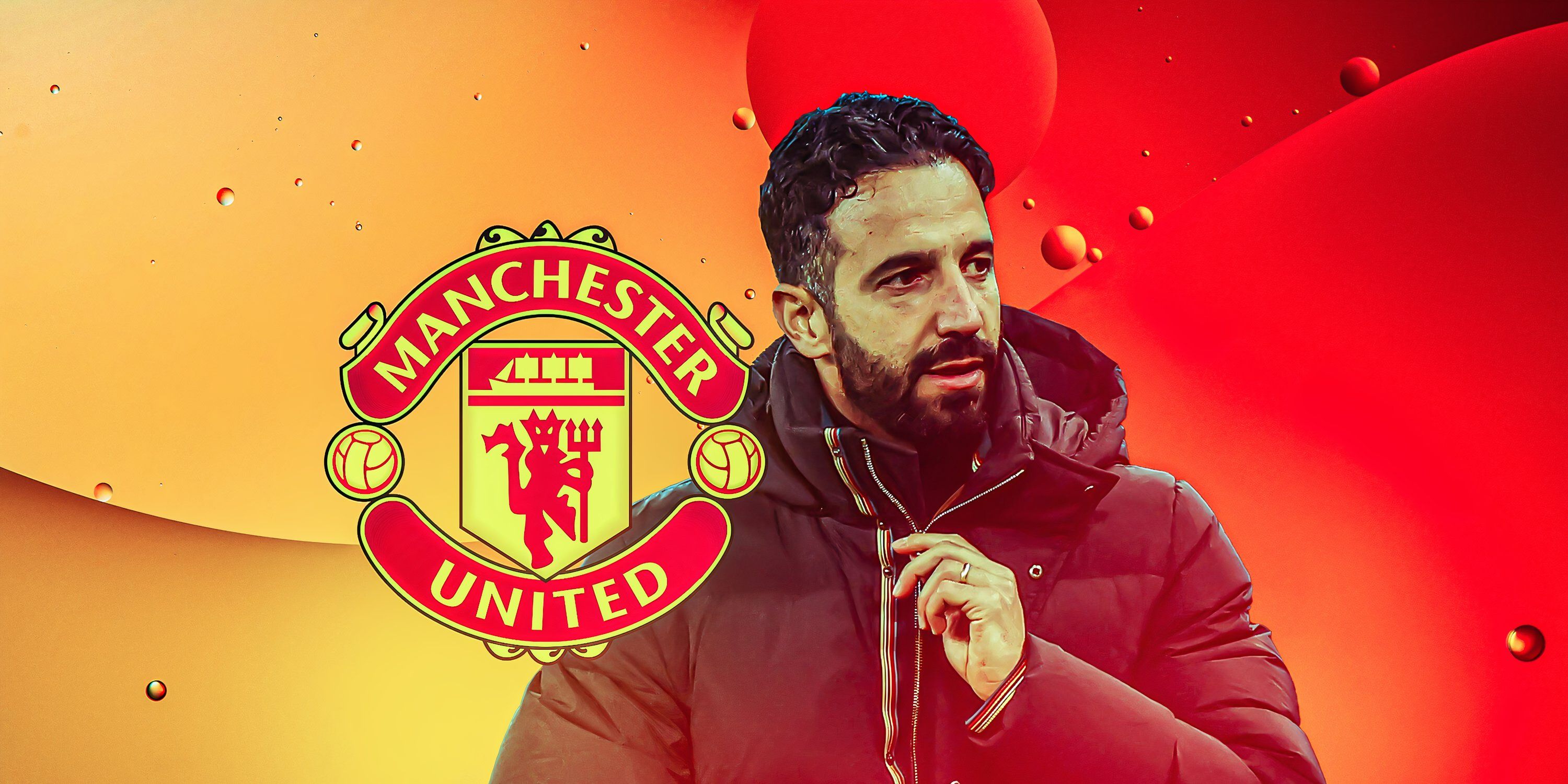
Manchester United is a football institution that has long epitomized excellence, resilience, and passion in English football. Yet, recent times have cast shadows over its glorious history, raising questions about the club’s current trajectory and future prospects. This article dives deep into the club’s enduring legacy, the current struggles under coach Ruben Amorim, and the urgent need for a strategic overhaul rooted in the fighting spirit that once defined Manchester United.
More Prediction Manchester United to win against AFC Bournemouth – Premier League, 15 DEC 8 PM UTC
Introduction to Manchester United’s Legacy
Historical Context of Manchester United
Manchester United’s history is rich with triumphs that span over a century. From their humble beginnings in 1878 to becoming a global football giant, the club has built a formidable reputation through resilience, tactical innovation, and the ability to adapt. The club’s journey has been marked by legendary players, iconic managers, and unforgettable moments that cemented its place among football’s elite. This esteemed legacy continuously inspires generations, fostering a deep connection with fans worldwide and setting high standards of excellence.
Throughout the decades, Manchester United has been synonymous with winning—dominating the Premier League, conquering international tournaments, and establishing a formidable home and away record. Their enduring success not only reflects on tactical prowess but also on a deeply ingrained club culture emphasizing unity, perseverance, and a relentless desire for victory. However, even the most storied clubs face periods of turbulence, and Manchester United currently finds itself navigating one such challenging phase.
Glory Years Under Sir Alex Ferguson
No discussion about Manchester United is complete without acknowledging Sir Alex Ferguson’s unparalleled influence. His tenure from 1986 to 2013 transformed the club into a powerhouse of English and European football. Ferguson’s leadership was built on a foundation of discipline, innovation, and a relentless pursuit of excellence. Under his guidance, United secured 13 Premier League titles, 5 FA Cups, 2 UEFA Champions League titles, and numerous other trophies.
Ferguson’s philosophy extended beyond tactics; it was about fostering a winning mentality, embracing risk, and inculcating resilience in his players. His ability to rebuild teams, promote youth talents like Ryan Giggs and Paul Scholes, and maintain a fierce competitive edge was pivotal in establishing Manchester United’s dominance. The culture Ferguson cultivated placed a premium on aggression, commitment, and unity—elements that became central to the club’s identity during the Ferguson era. Today, fans and analysts often compare current efforts with this golden legacy, yearning for a return to the heights achieved under his leadership.
The Fragile State of the Current Squad
In recent times, Manchester United’s squad has struggled to replicate the consistency or cohesion that characterized Ferguson’s teams. The changes in coaching staff, strategic direction, and player roster have contributed to a sense of instability. Despite some talented individuals, the team’s overall performance metrics reveal underlying issues—poor defensive organization, lack of creative midfield control, and ineffective attacking patterns.
This fragility is further accentuated by a troubling decline in competitive form and team morale. With a win rate of just 38.18% and a Premier League success rate of only 30.7%, the club’s current state highlights a profound disconnect from the winning culture United once championed. These issues prompt fans and critics alike to question the tactical approach, leadership quality, and overall vision shaping the team’s future.
Analyzing Current Struggles
Recent Performance Metrics
Manchester United’s recent performances paint a concerning picture. The club has suffered embarrassing defeats, including a recent humiliating loss to Everton, even while holding a numerical advantage on the pitch. Such results underscore the depth of their struggles—an inability to convert possession and opportunities into decisive victories. These poor metrics are not just a matter of bad luck but reflect fundamental tactical deficiencies and morale issues within the squad.
Analyzing these data points reveals that Manchester United needs a reevaluation of both strategy and mindset. The club’s inability to maintain consistency across competitions, combined with a declining goal difference and defensive lapses, indicates systemic problems that cannot be addressed with superficial fixes. The club must prioritize structural changes, mental resilience, and tactical clarity to reverse this decline.
Tactical Issues and Strategic Missteps
The tactical approach under Ruben Amorim has come under scrutiny. Critics argue that the current system lacks the aggressive, proactive stance that once defined Manchester United. Instead, there seems to be a reactive, sometimes disorganized style of play that leaves the team vulnerable. This strategic misstep hampers their ability to dominate games, control midfield battles, and maintain defensive solidity.
Amorim’s tactics appear to be inconsistent, with issues in defensive organization and attacking fluidity. The squad’s shape often lacks cohesion, and key moments are squandered by poor decision-making or individual errors. This tactical instability directly correlates with the club’s poor results, underscoring the urgent need for a coherent, bold game plan that emphasizes resilience, risk-taking, and collective effort—principles Sir Alex Ferguson espoused passionately.
Player Morale and Team Cohesion
The morale within Manchester United’s squad seems fragile, with apparent communication gaps and lack of collective fighting spirit. This mental fragility reflects in their performances, especially when faced with adversity. The absence of team cohesion is evident in disjointed attacking moves, defensive lapses, and a general sense of uncertainty during crucial moments.
Rebuilding confidence and fostering a positive team environment should be a priority. A united squad that believes in its tactical approach and can rally from setbacks is essential for restoring Manchester United’s competitive edge. This task requires leadership, clear communication, and a culture that values accountability and resilience—attributes that Sir Alex Ferguson mastered during his tenure.
The Everton Defeat: A Case Study
Match Overview and Key Events
The recent match against Everton has become a poignant example of United’s struggles. Despite dominating possession and holding a numerical advantage, the team was thoroughly outplayed and ultimately defeated in a humiliating fashion. Key moments included defensive lapses, missed opportunities in front of goal, and tactical errors that left the players exposed.
This match served as a stark reminder that possession alone does not guarantee victory. The ability to translate control into goals and maintain solidity when under pressure is vital. The disheartening result has intensified calls for a reassessment of the team’s tactical approach and mental resilience.
Tactical Breakdown of the Match
Tactically, Manchester United’s setup appeared disorganized, especially defensively. The lack of a cohesive shape left Everton’s attackers space to exploit, and the inability to control midfield battles allowed their opponents to dictate pace and tempo. Moreover, lack of creativity in the advanced positions meant that United struggled to create clear goal-scoring chances, despite offensive pressure.
The substitution patterns and in-game adjustments also seemed ineffective, further reflecting a need for strategic refinement. This tactical fragility underscores the importance of a coach who can instill discipline, adaptability, and fighting spirit—qualities largely associated with Sir Alex Ferguson’s managerial style.
Fan Reactions and Opinions
Fan reactions on social media have been overwhelmingly critical, with many expressing frustration over the team’s lack of fighting spirit and tactical clarity. Supporters recall the days of dominance under Ferguson, lamenting that the current state reflects a failure to uphold Manchester United’s proud traditions. Some fans call for a managerial overhaul, emphasizing the importance of leadership that embodies resilience and proactive risk-taking.
This backlash highlights fan expectations rooted in history and a desire for a team that embodies the fighting spirit, organization, and attacking prowess once associated with Manchester United. It also emphasizes the emotional investment supporters have in restoring the club’s glory.
The Contrast with Sir Alex Ferguson’s Approach
Ferguson’s Philosophy of Aggression
Sir Alex Ferguson’s approach revolved around relentless aggression—both on and off the pitch. His teams played with a fearless, attacking mindset, combined with disciplined pressing and quick transitions. Ferguson’s teams were always prepared to take risks, recover swiftly from setbacks, and press opponents relentlessly, embodying a never-say-die attitude.
This aggressive philosophy permeated every aspect of the club—training, match tactics, and mental toughness. It fostered a winning culture that prioritized resilience, adaptability, and tactical daring. Such an approach cultivated a never-accept-failure mentality that defined Manchester United’s identity for decades.
Commitment and Team Spirit During Ferguson’s Era
Ferguson emphasized unity, hard work, and fighting for every inch of the pitch. He demanded loyalty and accountability from his players, nurturing an environment where the collective was greater than the individual. During his tenure, team spirit was palpable, and players were motivated to give their all, motivating each other through difficult times.
The commitment to these principles turned Manchester United into a formidable force, capable of overcoming setbacks and maintaining consistency at the highest levels. This ethos was central to their sustained success, and current struggles underscore the need to revive this fighting spirit at all levels of the club.
Identifying the Lack of Fighting Spirit Today
In contrast to Ferguson’s teams, today’s Manchester United sometimes appears lacking in resilience and collective resolve. The recent defeats and tactical errors suggest an erosion of the mental toughness that once formed the club’s backbone. Without a shared fighting spirit, the team struggles to turn games around or sustain pressure against formidable opponents.
Restoring this mental resilience requires more than tactical adjustments; it demands a cultural shift—reinstating a sense of pride, accountability, and risk-taking ethos akin to Ferguson’s leadership style. Only then can Manchester United reclaim its position as a relentless, attacking side that fears no challenge.
Key Issues in Amorim’s Tactics
Defensive Organization
One of the most glaring issues is the lack of cohesion in defense. The team often appears disorganized, with players occupying inconsistent positions and failing to communicate effectively. This results in costly lapses and goals conceded from preventable errors, undermining any attacking efforts.
Implementing a disciplined defensive system, with clear roles and responsibilities, is crucial. This may involve revisiting training routines, emphasizing communication, and instilling a sense of collective responsibility—elements Ferguson’s teams excelled at, often through rigorous discipline and leadership.
Midfield Control and Creativity
Control of midfield has been another weak point. The team struggles to dominate possession or create meaningful chances from midfield. Lack of creative outlet and poor positioning leads to less fluid attacking options and more turnovers.
Enhancing midfield control involves strategic player selections, tactical adjustments to support and protect midfielders, and fostering a creative environment where players are encouraged to take initiative. Ferguson’s teams thrived because of midfield maestros who could dictate play—something Manchester United currently needs to develop.
Attacking Dynamics and Finishing
Despite having talented forwards, Manchester United often lacks sharpness in front of goal. This inefficiency is partly due to poor service, tactical indecisiveness, or individual errors in finishing. The attack’s dynamic rhythm is inconsistent, reducing the team’s effectiveness in securing victories.
Prioritizing attacking drills, encouraging individual flair, and fostering fluid link-up play are vital. Reintroducing a fearless, proactive mindset in the final third, similar to Ferguson’s attacking philosophy, can reignite the team’s offensive capabilities.

Suggested Changes for Improvement
Tactical Adjustments Required
Addressing tactical deficiencies entails adopting a more aggressive, proactive style that emphasizes pressing and quick transitions. Flexibility in formations, employing high lines, and quick counter-attacks could better align with Manchester United’s traditional philosophy.
Furthermore, emphasizing tactical discipline and clear game plans will help avoid the disorganization that has plagued recent performances. Building a cohesive team shape, with players understanding their roles, is essential for stability and success.
Building a Stronger Team Mentality
Fostering resilience, confidence, and collective responsibility is crucial. This involves leadership both on and off the pitch—whether through captaincy, coaching staff, or senior players—to inspire a never-say-die attitude. Development programs focusing on mental toughness can prepare players to face adversity with grit and determination.
Implementing regular team-building activities and accountability measures can reinforce the culture of unity and fighting spirit that Ferguson championed. A motivated, mentally tough squad becomes more adaptable and competitive across all terrains.
Integrating Youth Talent into the Squad
Vigorous youth development should be prioritized to inject fresh energy and foster a long-term winning mentality. Developing academy talents ensures continuity of the club’s attacking, resilient style of play and helps create leaders within the team.
Promoting homegrown players who embody the club’s ethos will also resonate with fans, rebuilding trust and pride. Ferguson’s success was partly rooted in elevating youth players—reinstating this approach can spark a renaissance for Manchester United.
The Importance of Instilling a Winning Mentality
Learning from Ferguson’s Leadership Style
Sir Alex Ferguson’s leadership was characterized by unwavering confidence, discipline, and the ability to motivate players through challenging periods. Emulating his leadership entails setting high standards, fostering accountability, and creating an environment where failure is seen as an opportunity to improve.
This leadership style encourages players to take risks, be resilient, and believe in their collective potential. Such a mentality is essential for Manchester United’s revival—only then can they recreate the dominance of the past.
Emphasizing Resilience in Adverse Situations
Resilience must be embedded in the team’s fabric. This involves not only tactical resilience but also mental fortitude to respond positively from setbacks. Training routines, tactical drills, and motivational sessions should all focus on building this mental toughness.
The club should cultivate a culture where setbacks are learning opportunities, inspiring players to bounce back stronger—mirroring Ferguson’s belief that the true champions emerge when faced with adversity.
Cultivating a Culture of Accountability
A culture of accountability ensures that every player and staff member understands their role and responsibilities. This fosters ownership of mistakes and motivates continuous improvement. Reinforcing this at all levels creates a disciplined, motivated environment reflective of United’s proud history.
Adopting transparent communication channels and regular performance reviews can nurture this culture. Ultimately, accountability fuels a collective drive towards sustained success.
Fan Expectations and Concerns
Overview of Fan Sentiment
Fans are expressing growing frustration with Manchester United’s current form, yearning for the fierce, attacking, and resilient team they once admired. Social media platforms are filled with calls for strategic change, leadership overhaul, and a return to winning ways.
The emotional investment in the club’s history makes fans impatient with ongoing struggles. Their concerns focus on not just results but also on the attitude and spirit shown on the pitch—a reflection of their desire for their team to embody Ferguson’s fighting ethos.
The Role of Social Media in Shaping Opinions
Social media amplifies fan voices, serving as both a platform for support and critique. It plays a crucial role in shaping public opinion and placing pressure on management and players to deliver performances matching the club’s traditions.
In this digital age, transparent communication from the club and strategic engagement with supporters can help restore trust, rallying the fanbase around a shared vision of revival rooted in resilience and attacking prowess.
The Pressure on Amorim Moving Forward
As the current head coach, Ruben Amorim faces enormous expectations to reverse the club’s fortunes. The recent results have heightened scrutiny, and the pressure to adapt tactics and instill confidence is immense. Critics argue that Amorim must embrace the aggressive, risk-taking philosophy that Manchester United historically represents.
Success will require clear leadership, tactical clarity, and a cultural shift towards resilience. The future of Manchester United hinges on Amorim’s ability to channel the club’s legacy into sustainable success.
Comparison to Other Premier League Teams
Evaluating Squad Depth and Quality
Another aspect contributing to United’s struggles is perceived squad depth and quality deficiencies compared to rivals. Teams like Manchester City, Liverpool, and Chelsea have invested heavily in versatile, high-quality players, offering tactical flexibility and resilience.
Manchester United must bolster its squad through strategic signings and youth development to match this level of competitiveness. Building depth ensures consistent performance across competitions and provides solutions in critical moments.
Contrast in Playing Styles and Tactics
Premier League giants display diverse tactical styles—City’s possession-based approach, Liverpool’s high-intensity pressing, and Chelsea’s pragmatic counter-attacks. United’s current approach appears to lack a cohesive identity, partly due to tactical ambiguity and inconsistent strategies.
Developing a distinctive playing style rooted in attacking resilience and pressing aligns with Ferguson’s philosophy and can differentiate United from other teams. This identity fosters confidence and a clear sense of purpose among players and supporters alike.
Historical Rivals and Current Standing
Historically, teams like Arsenal, Liverpool, and Manchester City have challenged Manchester United’s dominance, with recent shifts altering the competitive landscape. United’s current position reflects a need for strategic recalibration to reclaim top spot and restore their reputation as title contenders.
Continuous investment in infrastructure, coaching, and player development, alongside tactical evolution, will be essential for the club to regain its former glory.
Mistakes to Avoid
Overlooking the Importance of Team Chemistry
One common mistake is neglecting the development of cohesive team chemistry. Players must understand each other’s movements and strengths—something Ferguson prioritized through intensive training and team bonding. Neglecting this aspect leads to disjointed performances and lost matches.
It is crucial that the club invest not only in tactical drills but also in fostering relationships, trust, and shared goals among players. A united team with strong chemistry can overcome tactical shortcomings and deliver results under pressure.
Ignoring Fan Sentiments and Feedback
Ignoring the voice of supporters can be detrimental. Fans are the heartbeat of the club, and their input reflects the collective soul of Manchester United. The club must listen and engage with these sentiments to rebuild trust and loyalty.
Proactive communication, transparent goal-setting, and involving fans in the club’s vision can help bridge the gap between management and supporters, creating a shared commitment to revival.
Failing to Adapt Tactics to Individual Players
Rigid adherence to a single tactical system without considering individual strengths can limit performance. Ferguson was known for adapting tactics based on players’ capabilities and opponents’ weaknesses.
Manchester United must embrace flexibility, tailoring strategies to suit the squad’s evolving talent pool. This adaptability enhances performance and keeps opponents guessing, increasing chances of success.
Conclusion
Manchester United’s illustrious history is marked by unparalleled success, driven by a philosophy of resilience, aggression, and unity exemplified by Sir Alex Ferguson. However, the club now faces critical challenges—poor results, tactical disarray, and a diminished fighting spirit—that threaten to undermine its legacy. The recent humiliating defeat to Everton underscores the urgent need for strategic renewal, focusing on instilling resilience, refining tactics, and revitalizing team chemistry. Drawing lessons from Ferguson’s leadership, the club must embrace a proactive approach, prioritize mental toughness, and develop a cohesive playing style rooted in attack and resilience. For Manchester United to reclaim its rightful place among football’s elite, it is essential to move beyond complacency, listen to supporters’ voices, and foster a culture of accountability and continuous improvement. The journey ahead demands courage, adaptability, and a steadfast belief in the club’s enduring spirit—only then can Manchester United rise again, inspired by its legendary past and driven toward a victorious future.